Understanding Containerized Wastewater Treatment Systems
Containerized wastewater treatment systems are revolutionizing how various industries handle their effluent. These systems offer a pre-engineered solution that addresses a spectrum of water treatment challenges, from domestic sewage systems to complex industrial effluents. With a design focused on rapid deployment and compliance with stringent environmental standards, these modular units serve as a compact, transportable footprint that facilitates effective wastewater management. When exploring options, Wastewater Treatment System Manufacturers provide comprehensive insights into the advantages of adopting such technologies.
Definition and Key Functions
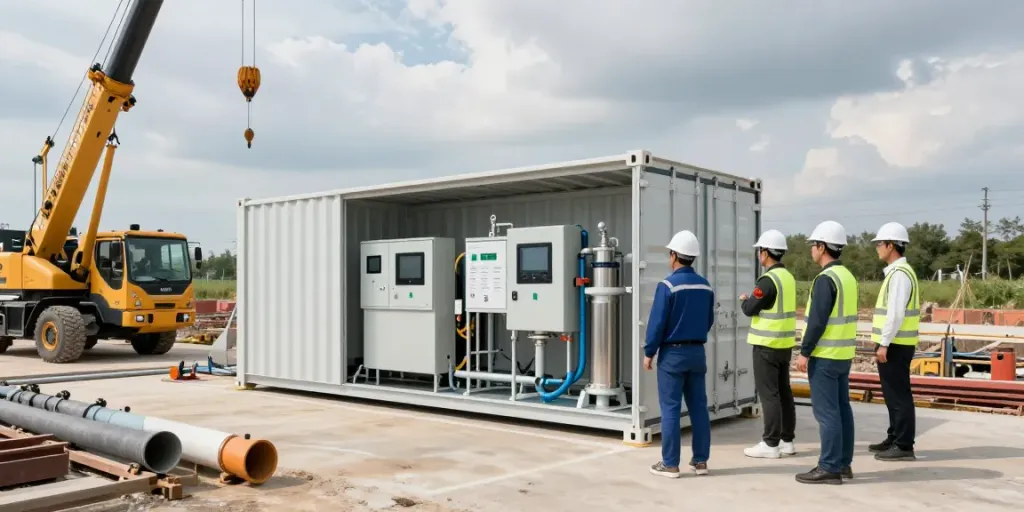
The core definition of a containerized wastewater treatment system encapsulates its modular design and functionality. These systems typically reside within standard 20- or 40-foot shipping containers, thus making them versatile and easily relocatable. Key functions include:
- Filtration: Removal of solids and impurities from the wastewater.
- Biological Treatment: Utilizing microorganisms to break down organic matter.
- Chemical Treatment: Applying chemicals to neutralize pollutants.
- Disinfection: Eliminating pathogens to ensure water safety.
Components of Containerized Systems
Containerized systems are composed of several integral components that work cohesively to deliver efficient treatment:
- Pre-treatment Units: These prepare wastewater for further processing by removing larger solids.
- Biological Reactors: Often aerobic or anaerobic, these reactors foster microbial action to treat organic contaminants.
- Settling Tanks: Here, treated water is left to allow solids to sink and be removed easily.
- Disinfection Units: Methods such as UV light or chlorination are employed to ensure water is safe for discharge or reuse.
Benefits Over Traditional Treatment Methods
Containerized systems present significant benefits compared to traditional wastewater treatment solutions:
- Rapid Deployment: Installation can be completed quickly, often within days, minimizing downtime.
- Cost-Effective: Lower operational and maintenance costs due to reduced infrastructure requirements.
- Modularity: Easy to expand and adapt as the demand for treatment capacity increases.
- Environmental Compliance: Designed to meet regulatory requirements efficiently.
Choosing the Right Wastewater Treatment System Manufacturer
Selecting the right manufacturer is crucial for ensuring long-term reliability and compliance. Notably, various factors can influence your decision.
Evaluating Manufacturer Credentials
When evaluating potential manufacturers, consider the following credentials:
- Certifications: Look for ISO certifications or other industry-specific credentials that indicate adherence to quality and safety standards.
- Experience: A proven track record in developing and deploying containerized systems is essential.
- Client Testimonials: Genuine feedback from past clients can provide insights into the manufacturer’s reliability and service quality.
Factors to Consider in Selection
Some key factors to weigh when selecting a manufacturer include:
- Customization Options: Ensure the manufacturer can tailor their systems to meet specific operational requirements.
- After-Sales Support: Evaluate the extent and quality of their support services post-installation.
- Cost Implications: Analyze the initial costs versus long-term operational expenses to ensure sustainable budgeting.
Comparative Analysis of Top Manufacturers
A comparative analysis can be beneficial in evaluating the strengths and weaknesses of industry leaders. Key manufacturers often highlighted in this realm include:
- Veolia Water Technologies
- Xylem Inc.
- Evoqua Water Technologies
- Calgon Carbon
Best Practices in Wastewater Treatment Compliance
Compliance with environmental regulations is crucial for wastewater treatment operations. Adopting best practices can significantly enhance operational integrity.
Understanding Environmental Regulations
Each region may have unique regulations governing wastewater treatment. It is essential to stay informed about:
- Local Requirements: Ensure adherence to state and federal laws regarding discharge limits and treatment processes.
- Permitting Processes: Understanding the necessary permits can facilitate smoother operational approval.
Maintaining Compliance with Local Standards
To maintain compliance, organizations should:
- Regular Audits: Conduct periodic checks to ensure systems are functioning as required.
- Training Personnel: Provide ongoing education for staff about compliance protocols and best practices.
- Environmental Monitoring: Implement continuous monitoring systems to track compliance dynamically.
Implementing Sustainable Practices
Beyond compliance, adopting sustainable practices enhances a company’s reputation and operational efficiency:
- Water Reuse: Develop strategies for recycling treated water for non-potable uses.
- Energy Efficiency: Invest in energy-efficient technologies to reduce overall consumption.
- Lifecycle Analysis: Evaluate the environmental impact of systems from installation through decommissioning.
Technological Innovations in Wastewater Treatment
Innovation is at the forefront of wastewater treatment solutions, with several emerging technologies promising to enhance efficiency and effectiveness.
Emerging Technologies to Watch in 2026
As technology evolves, several innovations are set to shape the future of wastewater treatment:
- Smart Sensors: Advanced sensors can provide real-time data for improved monitoring and control.
- AI Integration: Artificial intelligence can optimize treatment processes and predict maintenance needs.
- Microbial Fuel Cells: Leveraging bacteria to generate electricity while treating wastewater presents a novel solution.
Impact of Automation and IoT
The integration of the Internet of Things (IoT) and automation is enhancing operational capabilities:
- Remote Monitoring: Operators can monitor systems from anywhere, improving responsiveness and operational efficiency.
- Automated Reporting: Systems that automatically generate compliance reports simplify the process significantly.
Case Studies of Successful Implementations
A practical understanding of these technologies is best illustrated through successful case studies. For example, a mining operation in Australia adopted a containerized system that reduced water usage by 30% while meeting compliance regulations. Such implementations not only showcase technological efficacy but also underline the potential for cost savings.
Future Trends for Wastewater Treatment Systems
The landscape of wastewater treatment is rapidly evolving, dictated by technology, regulatory demands, and societal needs.
Predictions for Market Growth
Industry experts predict significant growth in containerized systems due to:
- Increased Urbanization: A growing populace will necessitate more efficient and flexible wastewater solutions.
- Stricter Regulations: Heightened environmental concerns will drive demand for compliant systems.
Shifts in Consumer Demand and Preferences
Customers are becoming more environmentally conscious and are seeking solutions that align with sustainable practices:
- Demand for Green Solutions: An emphasis on sustainability will favor manufacturers that offer eco-friendly options.
- Cost vs. Value: While cost remains a consideration, the value derived from sustainable solutions is increasingly being prioritized.
Preparing for Evolving Industry Standards
Staying ahead of industry standards requires continuous education and adaptation. Engaging in industry forums and training sessions can be beneficial for manufacturers and clients alike.
What are the benefits of containerized wastewater treatment systems?
Containerized systems provide rapid installation, cost savings, modularity, and environmental compliance, making them an ideal choice for various applications.
Who are the leading wastewater treatment system manufacturers?
Top manufacturers include Veolia, Xylem, and Evoqua, among others, each offering innovative solutions tailored to meet diverse treatment needs.
How do I ensure compliance with wastewater regulations?
Regular audits, staff training, and environmental monitoring can help maintain compliance with local and federal regulations.
What makes containerized systems a better choice?
Their flexibility, rapid deployment, and lower infrastructure requirements distinguish them from traditional treatment methods.
What future technologies will impact wastewater treatment?
Emerging technologies such as smart sensors, AI, and microbial fuel cells are set to transform how wastewater is treated and managed.