Understanding Aluminium Fabrication
Aluminium fabrication is a critical process in the construction and manufacturing industries, particularly in areas where strength, durability, and lightweight characteristics are essential. This process entails shaping and assembling aluminium materials to create components that serve various functional and aesthetic purposes. Whether it’s crafting intricate metal gates, custom stair railings, or unique kitchen fittings, the versatility of aluminium makes it a popular choice among builders and designers alike. When exploring options, Aluminium fabrication provides comprehensive insights into what can be achieved with this remarkable material.
What is Aluminium Fabrication?
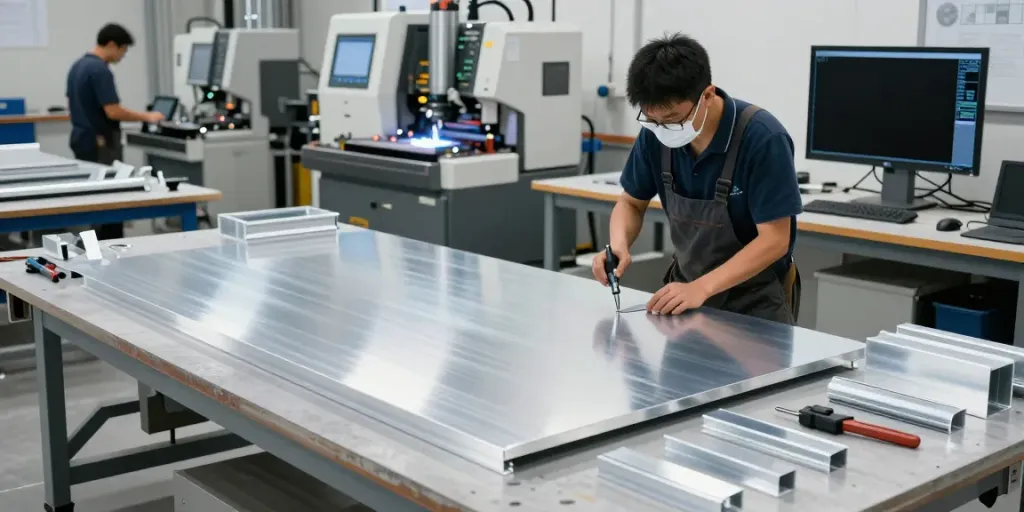
Aluminium fabrication encompasses a wide range of processes including cutting, bending, welding, and assembling. The end products can vary from simple components like brackets to complex constructions such as architectural frameworks. This process uses various techniques and methods to manipulate raw aluminium into a usable form without losing its inherent properties.
The Importance of In-House Fabrication
Choosing an in-house fabrication team presents numerous advantages. Al Taher Group, for instance, operates entirely from its workshop in Fujairah, allowing full control over quality and timelines. In-house fabrication enhances efficiency as all stages—from design to production—are managed under one roof. This mitigates risks associated with sub-contracting, such as miscommunication and delays, ensuring that the final product meets the specified design and quality standards.
Common Techniques in Aluminium Fabrication
- Cutting: Involves using saws or lasers to achieve precise dimensions for the aluminium components.
- Bending: Techniques like press braking and rolling are used to shape sheets or plates into desired forms.
- Welding: This technique joins pieces together using processes such as MIG or TIG welding, ensuring the integrity of the structure.
- Finishing: The application of coatings or anodizing enhances durability and aesthetic appeal.
Common Myths About Aluminium Fabrication
Myth vs. Reality: Durability of Aluminium Products
One common myth is that aluminium lacks durability compared to other metals like steel. In reality, when properly fabricated and treated, aluminium can withstand harsh environments, including those prevalent in coastal areas like Fujairah, where salt air can accelerate corrosion. The key lies in the quality of the surface treatment, which when done correctly, significantly enhances the lifespan of aluminium products.
Cost Misconceptions in Aluminium Fabrication
Many believe that aluminium fabrication is prohibitively expensive, especially compared to other materials. However, it's essential to consider the long-term savings from reduced maintenance costs and enhanced durability. Additionally, custom designs can often be more efficiently produced through aluminium fabrication, allowing for better value in bespoke projects.
Environmental Impact of Aluminium Fabrication Processes
Another myth surrounding aluminium fabrication is its environmental impact. On the contrary, aluminium is highly recyclable, and the fabrication process can be optimized to reduce waste and energy consumption. Companies like Al Taher Group are increasingly adopting sustainable practices that minimize their carbon footprint while delivering high-quality products.
Best Practices for Aluminium Fabrication Projects
Choosing the Right Materials for Your Project
Selecting the appropriate aluminium alloy is crucial and depends on factors such as the environmental exposure, aesthetic requirements, and structural demands. Various aluminium grades offer different benefits; for instance, some might provide better corrosion resistance, while others are more suited for structural integrity.
Design Considerations for Optimal Fabrication
Effective design can significantly streamline the fabrication process. Designing components with minimal joints, optimizing dimensions for material use, and incorporating allowances for finishing can all enhance the efficiency of production. Additionally, utilizing CAD (computer-aided design) software can lead to precise specifications that facilitate smoother fabrication.
Quality Control in the Fabrication Process
Implementing stringent quality control measures throughout the fabrication process is vital. Regular inspections, adherence to standards, and testing of materials help ensure that the final product meets the required specifications and performance criteria. Companies that prioritize quality often see enhanced client satisfaction and reduced rework costs.
Case Studies: Successful Aluminium Fabrication Projects
Residential Applications of Aluminium in Design
One of the standout examples of aluminium's versatility can be seen in residential applications. Custom aluminium gates designed by Al Taher Group not only enhance security but also add to the aesthetic appeal of villas in Fujairah. The integration of decorative elements and finishes allows homeowners to express their unique style while benefiting from aluminium’s durability.
Commercial Aluminium Fabrication Success Stories
In commercial settings, aluminium fabrication has been utilized for creating functional yet stylish storefronts and office partitions. A notable project involved the installation of glass and aluminium partitions for a major office building, which provided a modern look while ensuring optimal functionality and space efficiency.
Innovative Uses of Aluminium in Modern Architecture
The architectural landscape continues to evolve with innovative uses of aluminium. In contemporary designs, aluminium’s lightweight properties make it ideal for large-scale structures, including canopies and facades that require both aesthetic appeal and structural support. These designs not only look impressive but also fulfill modern requirements for energy efficiency and sustainability.
The Future of Aluminium Fabrication in 2026 and Beyond
Emerging Technologies in Aluminium Fabrication
The future of aluminium fabrication is being shaped by advancements in technology. Automation and robotics are increasingly being integrated into production lines, enhancing speed and precision. Moreover, technologies such as 3D printing are beginning to influence how aluminium components are fabricated, allowing for highly customized solutions that were previously unattainable.
Trends Influencing Design and Fabrication
As sustainability becomes a top priority for builders and manufacturers, the aluminium fabrication industry is adapting to include more eco-friendly practices. Trends such as biophilic design, which incorporates natural elements into building designs, are influencing the use of aluminium in innovative ways that align with environmental goals.
Predictions for the Aluminium Market
Looking ahead, the aluminium market is expected to grow significantly as demand increases across sectors, such as construction, automotive, and aerospace. The ongoing development of lightweight yet durable materials positions aluminium as a preferred choice for many industries aiming to enhance performance while reducing environmental impact.
What is aluminium fabrication?
Aluminium fabrication refers to the process of shaping and assembling various aluminium materials into functional products, utilizing techniques such as cutting, bending, and welding.
Is aluminium fabrication expensive?
The cost of aluminium fabrication can vary based on several factors, including complexity, material grade, and finish. However, when considering long-term benefits, aluminium often proves to be a cost-effective choice.
Do metal fabricators make good money?
Yes, skilled metal fabricators, especially those specializing in aluminium, can earn competitive wages due to the high demand for these services across various industries.
What is the cost per square foot for aluminium fabrication?
The cost per square foot for aluminium fabrication can range widely depending on project specifications and complexity, making it essential to obtain detailed quotations from reputable fabricators.
How can I find a reliable aluminium fabricator?
To find a reliable aluminium fabricator, consider verifying their experience, reading customer reviews, and requesting samples of previous work. It's also beneficial to choose a fabricator who offers in-house services to ensure quality and control throughout the fabrication process.