Understanding Pipeline Rehabilitation CIPP Liner
What is Pipeline Rehabilitation CIPP Liner?
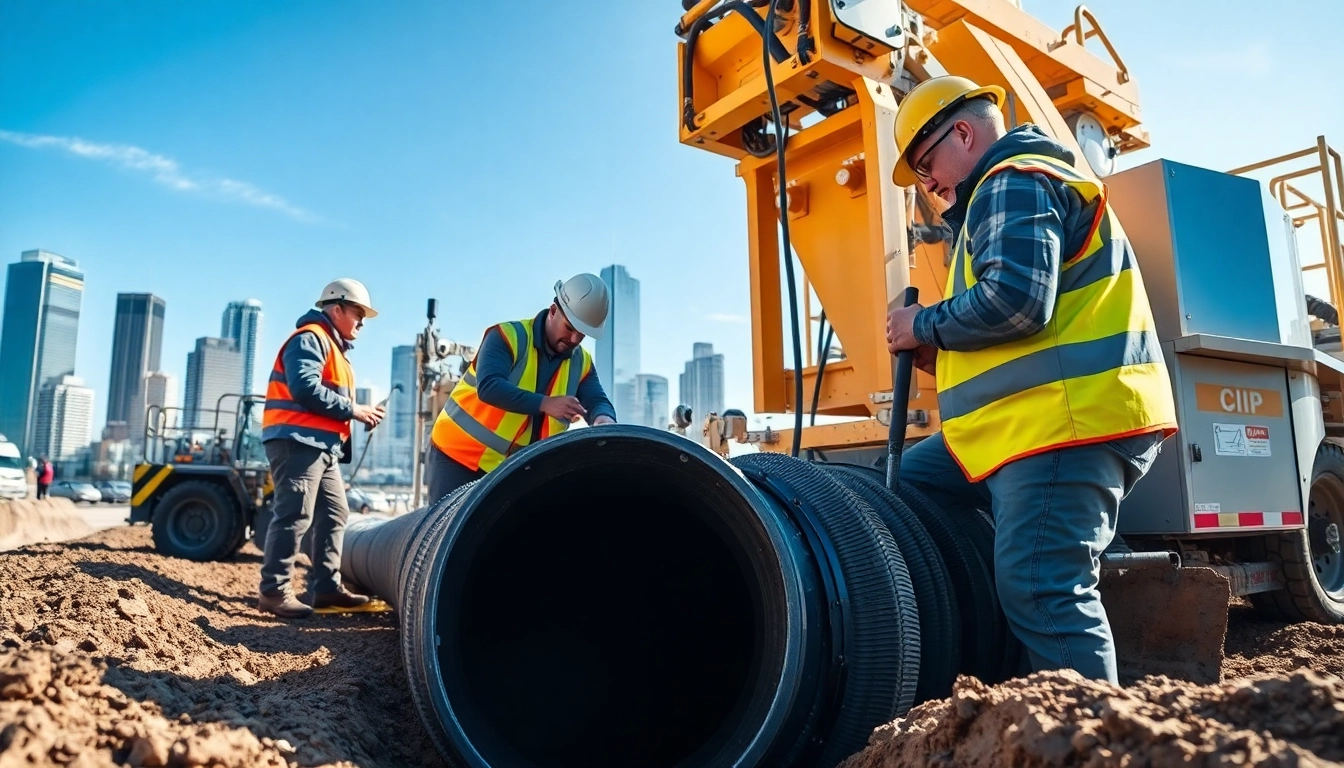
Pipeline Rehabilitation CIPP Liner, or Cured-in-Place Pipe lining, is a trenchless technology aimed at restoring the structural integrity of existing pipelines without the need for extensive excavation. The method involves inserting a flexible liner saturated with resin into a damaged pipe. This liner is then inflated and cured, typically using heat or UV light, to create a new, durable pipe within the old one. This innovative approach addresses a variety of infrastructural challenges effectively while minimizing the disruption to surrounding environments.
The necessity for such rehabilitation arises from the wear and tear that pipelines endure over time, leading to issues such as leaks, blockages, and corrosion. The utilization of Pipeline Rehabilitation CIPP Liner has gained traction across different sectors, including municipal water services, wastewater management, and industrial applications.
Importance of Pipeline Rehabilitation
Pipeline rehabilitation is crucial for several reasons. Primarily, it addresses public health and safety by preventing leaks that can contaminate water supplies. Secondly, it reduces the risk of costly emergency repairs caused by pipeline failures. Additionally, it extends the life of existing infrastructure, leading to significant cost savings compared to complete replacements. The environmental benefits of minimizing excavation and disruption are also significant, making pipeline rehabilitation methodologies like CIPP essential in modern infrastructure management.
Overview of CIPP Technology
CIPP technology represents one of the most advanced solutions in the field of pipeline rehabilitation. The process can be deployed in various conditions and environments, providing solutions for both large and small diameter pipes. One of the primary advantages of CIPP technology is its ability to rehabilitate pipes without extensive digging, thus reducing the impact on the surrounding area. The technology involves several key steps: preparation of the existing pipe, installation of the liner, and curing of the liner to form a new pipe. This method not only restores functionality but also enhances the flow characteristics of the pipeline, ensuring better performance post-rehabilitation.
Benefits of Using a CIPP Liner
Cost-Effectiveness of CIPP Rehabilitation
One of the significant advantages of utilizing a CIPP liner for pipeline rehabilitation is its cost-effectiveness compared to traditional repair methods. Conventional methods often require extensive excavation, disposal of old materials, and significant labor costs, in addition to the costs involved in reinstating surfaces post-repair. CIPP, on the other hand, reduces these expenses dramatically because it requires less manual labor, fewer materials, and minimal disruption to the surroundings. As a result, organizations can achieve long-term savings while also ensuring their pipelines remain operational with minimal downtime.
Minimally Invasive Approach
The minimally invasive nature of CIPP rehabilitation is one of its most celebrated features. Because it does not necessitate extensive excavation, CIPP mitigates the complications associated with traditional pipeline replacement, such as the disruption of transportation systems, damage to landscaping, and the inconvenience to nearby residents and businesses. The trenchless installation process is quick and efficient, typically completed in hours or days rather than weeks, thus offering a rapid return to normal operations and service.
Long-Term Durability and Maintenance
CIPP liners boast significant longevity and durability, making them a preferred choice for many municipalities and businesses. Once cured, the new pipe created by the CIPP method can last 50 years or more, depending on environmental conditions and usage. The materials used in CIPP applications are resistant to corrosion, chemicals, and other common damaging agents found in municipal pipes, effectively reducing the need for frequent maintenance and repairs.
How CIPP Liner Installation Works
Preparation Process for CIPP Installation
Before installation, several preparatory steps are taken to ensure the effectiveness of the CIPP process. This includes cleaning the existing pipeline to remove debris, buildup, and any obstructions. Techniques such as hydro jetting or mechanical cleaning are often utilized. Following the cleaning, a thorough inspection is conducted using CCTV cameras to assess the pipe's condition, ensuring that the liner will properly adhere to the existing structure and highlight specific areas that may need additional focus during the installation.
Step-by-Step Installation Technique
The installation process of a CIPP liner involves several key steps:
- Insertion of the Liner: The resin-saturated liner is inserted into the pipeline using a transport system.
- Inflation of the Liner: Once positioned, the liner is inflated against the walls of the existing pipe, allowing it to conform to any irregularities.
- Curing: The curing process typically involves providing heat or ultraviolet light to solidify the resin, forming a strong bond and rigid structure.
- Finalization: Once cured, the liner is trimmed flush to the existing pipe ends, and any reinstatement of service connections is completed.
Throughout the installation process, monitoring is crucial to ensure that the liner is expanding and curing correctly, which guarantees a high-quality rehabilitation.
Post-Installation Inspection and Validation
After the installation and curing of the CIPP liner, post-installation inspection is executed to validate the quality of the work done. This typically involves the same CCTV inspection technology used in the initial assessment. The inspection aims to confirm that the liner has adhered properly, that no voids exist between the liner and the original pipe, and that all service connections are reinstated accurately. This final inspection acts as both a verification of work quality and as a document for future maintenance planning.
Common Challenges in Pipeline Rehabilitation
Identifying Pipe Damage and Issues
Accurately identifying damage in existing pipelines is critical for the success of rehabilitation efforts. Proper assessment can be hindered by blockages, improper records of previous work, or hidden structural declines. Comprehensive inspection techniques, including the use of fiber optic cameras and high-pressure water jets, help provide detailed visuals and insights about the condition of pipes. Correctly diagnosing issues early ensures that the proper rehabilitation strategies can be employed, preventing costly alternatives in the future.
Managing Installation Complications
Complications during installation can arise from various factors, including unexpected obstructions, varying pipe diameters, or environmental conditions impacting the curing process. Thorough pre-installed inspection and maintaining flexible strategies during installation can help mitigate these challenges. Applying experienced teams familiar with local conditions will inherently improve outcome results as they can adapt to unexpected situations without compromising on quality or timelines.
Mitigating CIPP Liner Problems
While CIPP liners are designed for durability, potential complications such as delamination or incomplete curing can occur. Ensuring that the installation team adheres strictly to the manufacturer's specifications for materials and curing procedures can significantly reduce the chances of these problems. Additionally, routine post-installation inspections and periodic maintenance checks can help manage early detection of issues before they escalate.
Future of Pipeline Rehabilitation with CIPP Liner
Trends in CIPP Technologies
The future of CIPP technologies is bright, with continuous advancements aimed at improving materials used for liners and curing processes. Innovations such as smart materials that can self-heal and enhanced sensor technologies for monitoring pipe conditions are being researched and developed, promising even greater efficiency and longevity of rehabilitated pipelines. The industry is also moving toward more sustainable practices, utilizing environmentally friendly materials and processes.
Innovations and Advancements in Rehabilitation
As the demand for quick and effective pipeline rehabilitation increases, ongoing research is expected to yield cutting-edge advancements. Examples include the integration of robotics in the rehabilitation process for better precision in pipe lining and advancements in resin technologies that allow for faster curing times and improved structural integrity. These innovations promise to elevate CIPP methods, making them more effective and efficient than ever before.
Impact on Urban Development
The effectiveness and efficiency of CIPP rehabilitation techniques hold significant implications for urban planning and development. With minimal disruption to city landscapes, authorities can prioritize infrastructure regeneration without burdening local communities with lengthy construction projects. As cities continue to develop, reliable rehabilitation methods such as the CIPP liner can facilitate sustainable urban growth and improve overall public utility management.
Frequently Asked Questions
What is the average lifespan of a CIPP liner?
A CIPP liner typically lasts 50 years or more, depending on environmental conditions and maintenance practices.
Is CIPP lining suitable for all types of pipes?
CIPP lining can be applied to various pipe materials and diameters, making it versatile for many rehabilitation scenarios.
How long does the CIPP installation process take?
The installation process is generally quick, often completed within a few hours to a few days, depending on the project size.
What are the common reasons for CIPP failure?
Common failures can include improper curing, delamination, and issues related to obstructions or misaligned pipes during installation.
How does CIPP impact the environment during installation?
CIPP technology is environmentally friendly as it minimizes excavation and surface disruption, reducing waste and habitat impact.