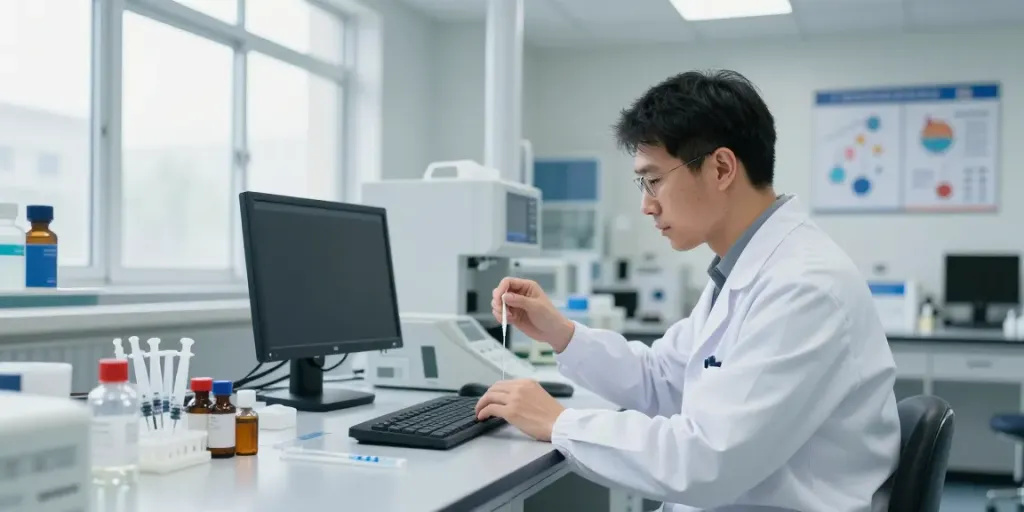
Introduction to Astaxanthin
Astaxanthin is a powerful antioxidant that has gained significant attention in the health and wellness community. Known for its vibrant reddish hue, it is primarily derived from certain types of microalgae, making it a natural carotenoid. This unique pigment not only enhances the color of various seafood, such as salmon and shrimp, but it also provides numerous health benefits. If you're curious to learn more about what is astaxanthin made from and its applications in health and nutrition, you’re in the right place.
What is Astaxanthin?
Astaxanthin is a red-orange pigment belonging to the carotenoid family, which includes other well-known pigments like beta-carotene and lutein. This antioxidant is synthesized by various organisms, including bacteria, yeasts, and algae, and is responsible for the reddish color of many marine species, including crustaceans and fish. Unlike some other antioxidants, astaxanthin is unique because of its molecular structure, which gives it exceptional stability and potency in combating oxidative stress.
Why is Astaxanthin Important?
The importance of astaxanthin lies in its potent antioxidant properties. It is recognized for its ability to neutralize harmful free radicals that can damage cells and lead to chronic diseases. Research has shown that astaxanthin may support various bodily functions, including eye health, skin health, cardiovascular function, and enhanced athletic performance. As a naturally occurring compound, it offers an alternative to synthetic supplements, appealing to those seeking natural health solutions.
Overview of Its Health Benefits
Astaxanthin boasts a range of health benefits, largely attributed to its antioxidant capabilities. Studies suggest that it may reduce chronic inflammation, improve skin elasticity and appearance, enhance immune responses, and support cognitive function. Moreover, astaxanthin is often touted for its ability to increase endurance and reduce muscle fatigue, making it popular among athletes and fitness enthusiasts.
The Natural Sources of Astaxanthin
Understanding the sources of astaxanthin is crucial for those interested in harnessing its benefits. The primary sources are specific algae and yeast varieties; however, it can also be found in a few other natural sources.
Microalgae: The Primary Source
The most significant source of astaxanthin is a microalga known as Haematococcus pluvialis. This microalga has been extensively studied and is considered the richest natural source of astaxanthin, containing concentrations up to 4% of its dry weight. When exposed to environmental stressors, such as UV light, nutrients deprivation, or high salinity, Haematococcus pluvialis accumulates astaxanthin, providing an effective defense against oxidative damage.
Other Natural Sources of Astaxanthin
Besides Haematococcus pluvialis, astaxanthin is also sourced from other organisms. The yeast Phaffia rhodozyma is another notable source, often utilized in various dietary supplements. Additionally, astaxanthin can be found in certain seafood, including shrimp, crabs, and salmon, contributing to their characteristic coloration and nutritional value.
Strategies for Sourcing Astaxanthin
When sourcing astaxanthin, it is essential to consider the methods of cultivation and extraction. Opting for sustainably harvested microalgae can ensure a high-quality product while supporting environmental health. Furthermore, working with reputable suppliers who provide transparency about their sourcing practices can enhance consumers' confidence in the product's efficacy and purity.
Process of Extracting Astaxanthin
The extraction process is critical in determining the quality and potency of astaxanthin supplements. Various methods can be employed, each with its implications for the final product's effectiveness.
Extraction Methods Explained
Common extraction methods for astaxanthin include solvent extraction, supercritical CO2 extraction, and enzymatic extraction. Solvent extraction, while widely used, may involve chemicals that could compromise the purity of the extract. Supercritical CO2 extraction, on the other hand, is a greener method that utilizes carbon dioxide under high pressure and temperature to dissolve and extract astaxanthin without harmful solvents. This method preserves the integrity of the compound and yields a high-quality extract.
Quality Considerations in Extraction
Quality during extraction cannot be understated. Factors such as temperature, pressure, and the choice of solvent can significantly influence the final product's yield and potency. It's essential for manufacturers to adhere to best practices throughout the extraction process to ensure that the astaxanthin retains its potent antioxidant properties. Third-party testing for purity and concentration is also a critical step for consumers to ensure the supplement's quality.
How Extraction Affects Potency
The potency of astaxanthin is closely related to the extraction method and the conditions under which it is processed. Higher-quality extraction methods that avoid degradation of the compound will yield more effective supplements. Furthermore, the presence of synergistic compounds in extracts can enhance the overall efficacy, making it crucial to choose products that maintain the integrity of the original source.
Applications of Astaxanthin
Astaxanthin's diverse applications in health and wellness reflect its versatility as an ingredient. From dietary supplements to cosmetics, its potential is vast.
Health Supplements
Astaxanthin is predominantly available in supplement form, often marketed for its antioxidant properties. It is formulated into softgels, capsules, and even powders that can be easily incorporated into daily routines. Clinical studies highlighting its benefits in inflammation reduction, skin health, and athletic performance have made it a popular choice for health-conscious individuals. As more evidence emerges, the market for astaxanthin supplements continues to grow.
Cosmetic Uses
Beyond supplements, astaxanthin's skincare benefits are garnering attention in the cosmetics industry. Its potent antioxidant properties help protect skin from UV damage and oxidative stress, making it an attractive ingredient in anti-aging products. Many formulations incorporate astaxanthin to enhance skin texture, elasticity, and overall appearance, appealing to consumers looking for natural solutions to skincare.
Potential in Food Products
Astaxanthin is also being explored for its potential in food products, particularly as a natural colorant and preserve. Its vibrant color makes it an appealing addition to various foodstuffs, while its antioxidant properties provide functional benefits. As consumer preference shifts toward natural ingredients, the adoption of astaxanthin in the food industry is anticipated to rise, providing additional avenues for its use.
FAQs about Astaxanthin
What is astaxanthin made from?
Astaxanthin is primarily made from microalgae, especially Haematococcus pluvialis, and yeast such as Phaffia rhodozyma. These natural sources are rich in astaxanthin and are often used in supplements.
Is astaxanthin safe for daily use?
Astaxanthin is generally considered safe for daily use in recommended amounts. Most studies reflect minimal side effects, but it's advisable to consult a healthcare provider before starting any new supplement.
How does astaxanthin benefit skin health?
Astaxanthin has been shown to improve skin elasticity, reduce the appearance of fine lines, and protect against UV damage, making it a valuable ingredient in skincare products.
Can astaxanthin aid in athletic performance?
Yes, astaxanthin may enhance athletic performance by reducing muscle fatigue and inflammation, promoting better recovery after intense exercise and improving endurance.
Are there any side effects of astaxanthin?
Astaxanthin is well-tolerated; however, some individuals might experience mild side effects such as stomach upset, changes in stool color, or allergic reactions. Always consult a healthcare professional if unsure.