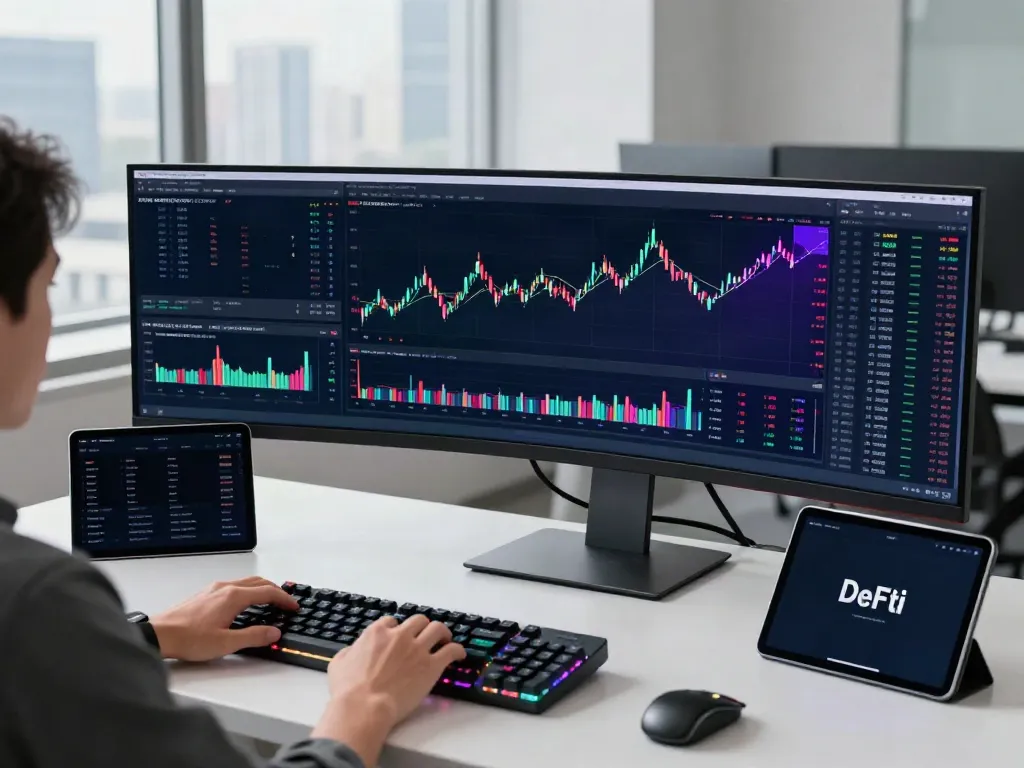
Understanding LLM Stock Market Data APIs
The integration of blockchain technology with market data APIs is revolutionizing the world of finance. As financial markets become increasingly complex, the demand for accurate, real-time data has never been higher. In this context, Large Language Model (LLM) stock market data APIs play a crucial role in providing users, investors, and trading platforms with valuable insights into market movements, trends, and anomalies. When exploring options, llm stock market data api solutions can offer comprehensive analytics that significantly enhance trading strategies.
What is an LLM Stock Market Data API?
An LLM stock market data API is a software interface that allows applications to access real-time and historical financial data through an LLM, which processes large datasets to provide insights. These APIs typically aggregate data from various sources, including exchanges, providing users with the tools to analyze market trends and make informed trading decisions. They are essential for developers building trading bots, market analysis tools, or financial applications that require quick access to dynamic data.
Key Features of LLM APIs in Crypto Trading
- Real-Time Data Streaming: Ability to deliver live updates on stock prices, trading volumes, and other pertinent metrics.
- Historical Data Access: Users can query past performance data and trends to analyze market behavior over time.
- Data Normalization: LLM APIs often standardize data from multiple markets and instruments, making comparison easier.
- Intelligent Alerts: They can notify users of significant market changes, helping traders react promptly.
Benefits of Using Real-Time Market Data
The usage of real-time market data is vital for any serious trader. It allows for immediate decision-making, reduces the chances of missing out on market shifts, and enhances overall trading efficiency. Moreover, by utilizing LLMs, traders can extract actionable insights from granular data that would otherwise be overwhelming in volume. This capability encourages a more sophisticated approach to data analysis, enabling traders to optimize their strategies based on live market conditions.
Integrating LLM APIs with Trading Strategies
Combining Technical Analysis with LLM Data
Technical analysis relies on historical data patterns to predict future price movements. By integrating LLM APIs, traders can enhance their technical analysis with sophisticated algorithms that analyze large datasets. Features such as moving averages, Relative Strength Index (RSI), and Bollinger Bands can be derived from comprehensive datasets, offering a more nuanced understanding of market trends.
Backtesting Strategies with Historical Data
Backtesting is an essential component of developing any trading strategy. By using historical data provided by LLM APIs, traders can simulate their strategies over past market conditions to assess viability. This process helps in determining the success of various strategies before implementing them in real markets, thereby mitigating risk.
Creating Automated Trading Bots using LLM APIs
The evolution of trading has given rise to automated systems capable of executing trades based on predefined criteria. Leveraging LLM APIs, developers can create robust trading bots that use real-time market data, adjust algorithms in response to market changes, and implement rapid trading strategies. These bots can operate at a speed and efficiency unattainable by human traders, allowing for consistent engagement in the markets.
Data Security and Reliable API Usage
Secure Access to Market Data APIs
With the increase in cyber threats, data security is more critical than ever for traders using APIs. Ensuring secure access to market data APIs involves encrypted connections and proper authentication mechanisms. Traders should look for APIs that utilize secure HTTP (HTTPS) protocols and API keys to authenticate requests, ensuring their data remains confidential and protected.
Best Practices in API Key Management
Proper management of API keys is essential for safeguarding accounts from unauthorized access. Users should adhere to practices such as storing API keys securely, rotating keys regularly, and restricting access based on specific needs. Furthermore, ensuring that API keys have limited trading permissions can help reduce the risk exposure if they are compromised.
Understanding Terms of Service and Compliance
Before utilizing any API, it is imperative to understand its terms of service. This includes reviewing how the data can be used and any restrictions on redistribution. Compliance with regulations is paramount, especially given the evolving landscape of financial laws surrounding cryptocurrencies. Traders should ensure that they are aware of their legal obligations and the regulatory status of the APIs they are using.
Analyzing Market Movements using LLM Data
Utilizing LLM for Price Alerts and Notifications
Price alerts and notifications provided through LLM data can significantly enhance a trader's decision-making capabilities. By setting thresholds, users receive immediate updates when specific conditions are met, such as price thresholds or unusual trading volumes. Such timely notifications allow traders to act on opportunities or mitigate losses quickly.
Interpreting Volatility and Breakout Signals
Market volatility can be an indicator of significant price movements, and capturing that through LLM is essential for day traders and swing traders alike. By analyzing data streams, traders can identify volatility spikes or breakout signals and tailor their strategies accordingly. Knowing when to enter or exit based on these analytics can be the difference between profit and loss.
Managing Cross-Market Insights with LLM Capabilities
In today's interconnected financial landscape, insights from one market can often influence another. LLM APIs allow for the amalgamation of data from various markets, providing users with cross-market insights. For example, understanding the correlation between cryptocurrency and traditional stock data can help investors reshape their strategies based on broader economic indicators.
The Future of LLM APIs in Cryptocurrency Trading
Emerging Trends in AI and Market Data Integration
The field of cryptocurrency trading is continuously advancing, with AI and data integration at the forefront. As LLM technology evolves, we can anticipate even more sophisticated data analysis tools and predictive algorithms that will redefine how trading operates. The ongoing development in AI will enhance the ability to interpret complex datasets in real-time, providing better insights and predictions for traders.
Adapting to Regulatory Changes in 2026
The regulatory landscape is evolving rapidly, particularly for cryptocurrencies and digital assets. As new laws are introduced, LLM API providers will need to adapt to ensure compliance, especially concerning data usage and reporting. Understanding these changes will be crucial for traders to remain compliant and protect their investments in this new era.
Predictions for LLM Developments in the Crypto Space
Looking ahead, the development of LLM technology in the crypto space will likely lead to improved predictive analytics, risk assessment tools, and more personalized trading experiences. These advancements could empower individual investors while imposing new challenges for regulators trying to keep pace with rapid technological changes.
What is the role of LLM in the evolution of trading?
LLMs play a pivotal role in the evolution of trading by providing sophisticated data analytics capabilities. They enable traders to access deeper insights into market trends and economic factors, enhancing decision-making processes. As LLM technology advances, its integration into trading tools will continue to grow, improving strategies and outcomes across the board.
How can I start using LLM APIs for my trading needs?
To begin using LLM APIs for trading, traders should first identify their specific data needs and the features that are most relevant to their strategies. Signing up with reputable API providers, such as those offering comprehensive market data analytics, is a critical first step. It's also essential to familiarize oneself with the documentation to maximize the usefulness of these tools.
What security measures should I take when using APIs?
When using APIs, implementing strong security measures is vital. This includes using secure channels for API calls, managing API keys carefully, and employing two-factor authentication where possible. Additionally, traders should keep an eye on any suspicious activity using monitoring tools available in many trading platforms.
How do I backtest my strategies using historical data?
Backtesting strategies with historical data can be accomplished by using tools that simulate trading based on past market conditions. This involves feeding historical data into your trading algorithms and analyzing how they would have performed. Many LLM APIs provide access to extensive historical datasets, making backtesting straightforward and effective.
What are the best resources for learning about LLM APIs?
The best resources for learning about LLM APIs include online courses on data analytics and trading, forums where professionals share experiences, and documentation provided by API vendors. Engaging with community resources and keeping abreast of industry trends will aid in understanding how to leverage these technologies effectively.