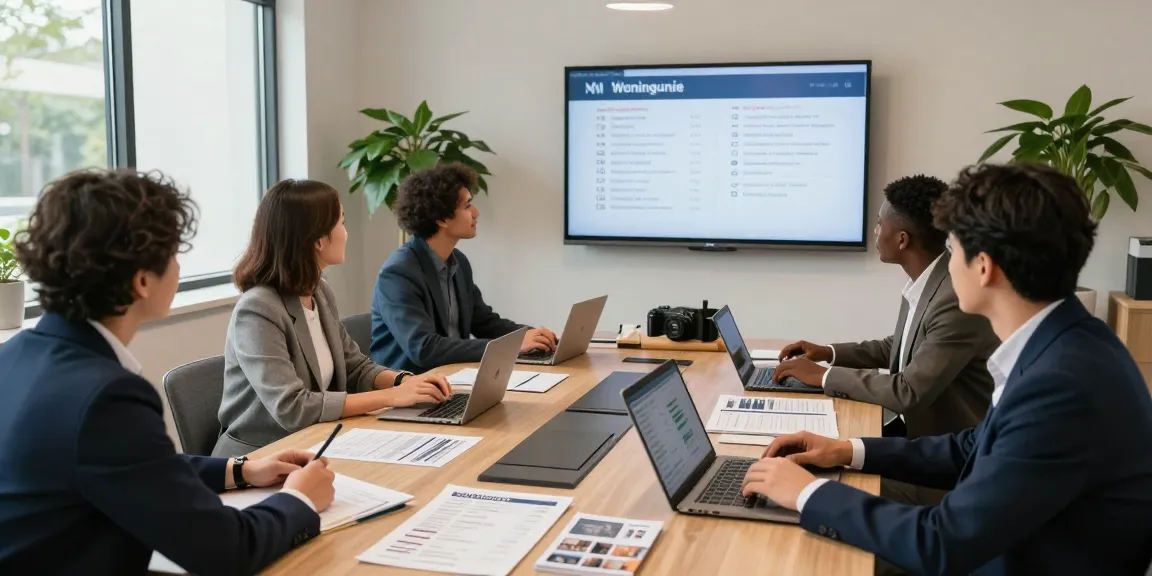
Understanding the Woningunie Concept
The concept of woningunie represents a progressive approach to the challenges facing modern housing markets. It combines collaborative efforts from various stakeholders to develop sustainable residential solutions. By leveraging community resources and insights, woningunie seeks to provide affordable housing options while fostering a sense of belonging and engagement among residents. This article will delve into the essence of woningunie, its benefits, and its transformative impact on housing markets.
What is Woningunie?
Woningunie can be defined as a collective initiative that focuses on creating cohesive living environments by pooling resources, expertise, and investments from residents, local businesses, and government entities. It emphasizes the importance of community involvement in housing development, aiming to build not just homes but vibrant neighborhoods that meet the needs of their residents.
Benefits of Woningunie in Real Estate
The advantages of implementing the woningunie model in real estate are manifold. Firstly, it enables cost-sharing for construction and development, significantly lowering the financial burden on individual home buyers. Furthermore, creating a cooperative housing model can increase social interaction among residents, enhancing community ties.
- Affordability: By sharing resources, woningunie projects can offer more competitive pricing on housing.
- Community Engagement: Regular involvement in decision-making processes empowers residents.
- Support Networks: A strong community fosters support mechanisms that can lead to improved mental health and well-being.
How Woningunie Transforms Housing Markets
The woningunie model is revolutionizing traditional housing markets by introducing innovative mechanisms that prioritize community feedback and sustainable practices. By encouraging local participation, this approach not only addresses housing shortages but also ensures that developments are environmentally sustainable and culturally relevant. For example, integrating green spaces and communal areas into housing projects can enhance the quality of life for residents while attracting environmentally conscious buyers.
Building a Woningunie Community
Establishing a successful woningunie community requires strategic planning and significant stakeholder engagement. To effectively build such a community, it's essential to focus on identifying the right residential areas, fostering local relationships, and initiating community-driven projects.
Identifying Target Residential Areas
Choosing the right location is paramount for any woningunie initiative. Factors such as accessibility to public transportation, proximity to essential services, and existing community dynamics should guide the selection process. Conducting thorough research and utilizing demographic data can help pinpoint areas where woningunie can have the most significant impact.
Engaging with Local Stakeholders
Engagement with local stakeholders—including residents, businesses, and municipal authorities—is crucial for the success of woningunie projects. By facilitating open dialogues and workshops, stakeholders can share their insights and collaborate on solutions that align with community needs. Such interactions promote transparency and trust, establishing a strong foundation for future initiatives.
Creating Value Through Community Initiatives
Community initiatives play a vital role in reinforcing the principles of woningunie. Programs that promote local art, cultural festivals, or community gardens not only enhance the aesthetic appeal of neighborhoods but also bring residents together, fostering a sense of belonging. These initiatives can act as catalysts for further development, encouraging more residents to engage and invest in their community.
Implementing a Woningunie Strategy
Launching a successful woningunie project involves meticulous planning and execution. From conceptualizing the project to measuring its outcomes, each step requires careful consideration and collaboration among stakeholders.
Step-by-Step Guide to Launching Woningunie Projects
- Market Research: Assess the needs and preferences of potential residents.
- Stakeholder Collaboration: Form alliances with local governments, NGOs, and businesses.
- Funding and Resources: Explore various funding options, including public grants and private investments.
- Design and Planning: Create a detailed project plan incorporating community input.
- Implementation: Execute the project while maintaining open communication with all stakeholders.
- Feedback and Adaptation: Regularly gather feedback from residents to adapt the project to their evolving needs.
Best Practices for Collaboration
Effective collaboration is essential for the success of any woningunie initiative. To maximize the potential of collaboration, consider the following best practices:
- Clear Communication: Maintain transparency in all communications to build trust.
- Define Roles: Clearly outline the responsibilities of each stakeholder involved.
- Frequent Meetings: Organize regular meetings to discuss progress and challenges.
Measuring Community Impact and Satisfaction
To ensure that woningunie projects are meeting their objectives, it is vital to implement metrics for measuring community impact. Surveys, focus groups, and community feedback can provide insights into residents' satisfaction levels and highlight areas for improvement. By continuously evaluating the effectiveness of initiatives, stakeholders can make informed decisions that enhance community well-being.
Challenges in Woningunie Projects
While the woningunie model offers numerous benefits, it is not without challenges. Addressing these hurdles is critical for the successful implementation of projects aimed at fostering community and enhancing the housing market.
Overcoming Common Misconceptions
One of the primary challenges of woningunie initiatives is overcoming misconceptions surrounding collaborative housing. Many potential stakeholders may harbor skepticism about the effectiveness and sustainability of such projects. Education and awareness campaigns can help clarify the benefits and successes of previous initiatives, thereby encouraging broader participation.
Addressing Local Regulations and Compliance
Navigating local regulations and compliance requirements can be daunting for woningunie projects. Establishing strong partnerships with local government can streamline this process, ensuring that all initiatives adhere to legal standards while also addressing the unique needs of the community.
Managing Stakeholder Expectations Effectively
It's essential to align the expectations of all stakeholders involved in woningunie projects. To manage these expectations effectively, set realistic goals and timelines while emphasizing the importance of flexibility and adaptability. Regular updates and open channels of communication can help mitigate misunderstandings and foster a collaborative spirit.
Future Trends for Woningunie in 2026
As we look toward 2026, the woningunie model is poised to evolve significantly in response to emerging technologies and shifting societal dynamics. Understanding these trends will be crucial for stakeholders seeking to maximize the impact of their initiatives.
Emerging Technologies in Real Estate
Advancements in technology are transforming the real estate landscape, and woningunie initiatives are expected to leverage these technologies to enhance project efficiency and sustainability. Innovations such as smart home technology, energy-efficient materials, and digital platforms for community engagement will play a vital role in shaping future developments.
Shifts in Housing Demand and Design
As societal values continue to evolve, so too will the demand for housing solutions that reflect these changes. A greater emphasis on sustainability, flexibility, and inclusivity will drive the design of future woningunie projects. Developers will need to embrace innovative layouts and architectural styles that cater to diverse lifestyles and preferences.
Innovative Approaches to Community Living
Future woningunie projects will likely explore more innovative approaches to community living, such as co-housing arrangements and multifamily units designed for shared resources. These models not only enhance affordability but also promote social interactions, aligning with the core principles of woningunie.
What advantages does woningunie offer to home buyers?
Home buyers benefit from woningunie through greater affordability, enhanced community ties, and access to a variety of resources and support systems. This community-oriented approach ensures that buyers are not just acquiring a home, but a holistic living experience.
How can real estate agents leverage woningunie?
Real estate agents can leverage the woningunie model by promoting its benefits to clients, focusing on the community-based aspects that enhance property value and quality of life. By understanding the nuances of woningunie projects, agents can position themselves as knowledgeable advocates for this innovative housing approach.
What are the key challenges of implementing woningunie?
The key challenges of implementing woningunie include navigating regulatory hurdles, managing diverse stakeholder expectations, and addressing misconceptions about collaborative housing. Tackling these issues head-on can pave the way for successful projects that meet community needs.
How is woningunie evolving in the upcoming years?
Woningunie is evolving by embracing emerging technologies, adapting to shifts in housing demand, and exploring new models of community living. These trends will likely shape the future landscape of housing in ways that prioritize affordability and community engagement.
What community initiatives can support woningunie projects?
Community initiatives that can support woningunie projects include local arts and culture programs, environmental sustainability projects, and educational workshops. These initiatives not only enhance the appeal of woningunie developments but also foster a sense of belonging and shared responsibility among residents.