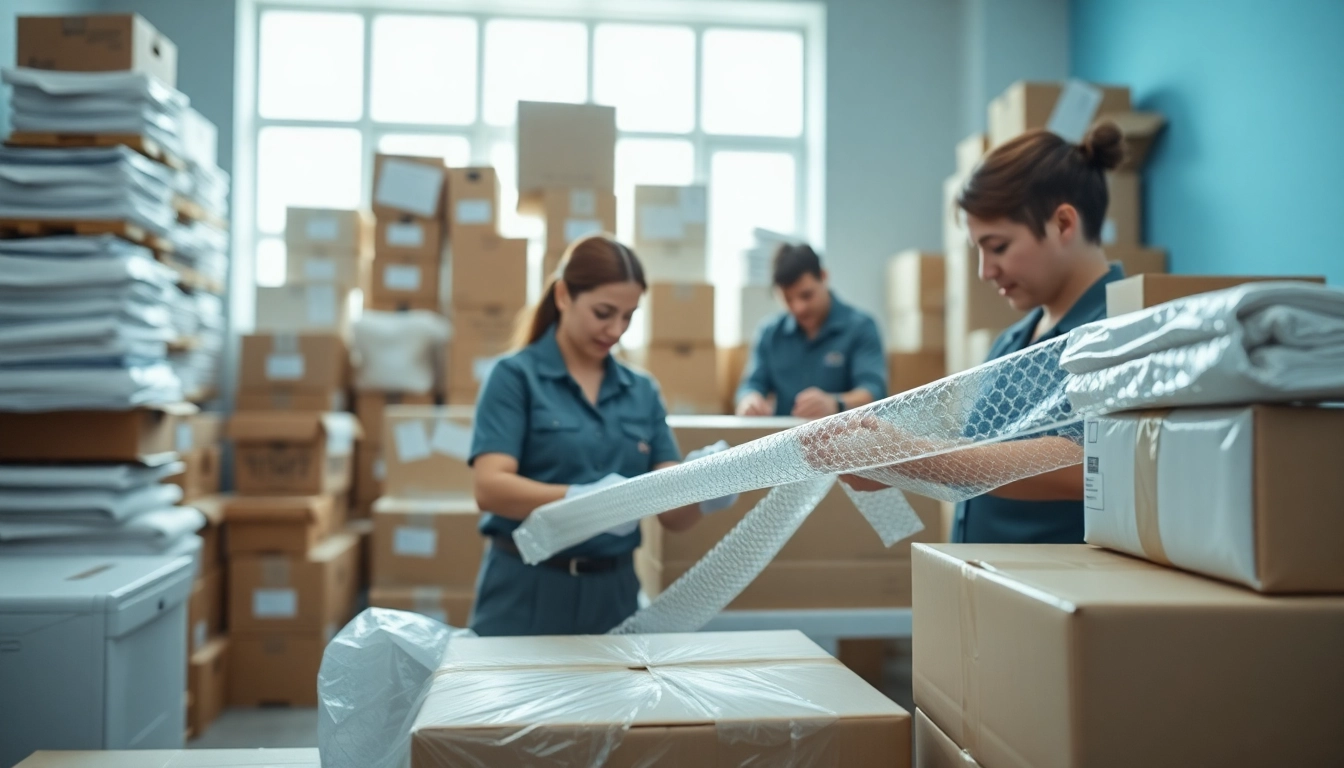
Understanding Professional Packing Services
What Are Professional Packing Services?
Professional packing services provide specialized assistance in packing your belongings efficiently and securely for a move. Trained packing teams utilize a variety of techniques and materials to ensure that items are safeguarded against damage during transit. These services can range from packing whole houses to specific rooms or fragile items only. It's designed to alleviate the stress and time associated with the often arduous process of packing, allowing you to focus on other aspects of your move.
Benefits of Utilizing Professional Packing Services
Engaging Professional Packing Services offers numerous advantages, such as:
- Time Savings: Professionals can pack your belongings significantly faster than you can on your own.
- Expertise: Trained packers are skilled in packing techniques that minimize damage risks, ensuring more secure transport.
- Correct Materials: Knowledge of the best packing supplies to use for different items, from fragile glassware to bulky furniture.
- Stress Reduction: Having experts handle packing reduces anxiety and allows for a smoother transition to your new home.
- Insurance Coverage: Many professional services offer insurance for packed items, providing extra security for your belongings.
Who Needs Professional Packing Services?
Professional packing services cater to a diverse audience, including:
- Busy Professionals: Individuals who lack the time to pack due to work commitments.
- Families with Children: Parents juggling childcare and work may find packing overwhelming.
- Seniors: Older adults who may require assistance due to physical limitations.
- Long-Distance Movers: Those relocating far away often benefit from professional packing to ensure items are securely packed for travel.
- Last-Minute Movers: Individuals facing tight timelines often rely on packing services to expedite the process.
Choosing the Right Packing Service for Your Needs
Evaluating Service Providers
When selecting a packing service provider, consider the following criteria:
- Reputation: Look for customer reviews and ratings to gauge the quality of service.
- Experience: Choose companies with experience in the packing industry to ensure reliability and expertise.
- Services Offered: Ensure the provider offers the specific packing services you require, whether full packing, fragile item packing, or unpacking services.
- Insurance Options: Confirm what type of insurance coverage is available for your packed items.
- Transparent Pricing: Evaluate the quotation process and ensure there are no hidden fees.
Packing Options and Customization
Many packing service providers offer various options to customize your experience:
- Full Packing Service: Professionals handle everything from packing to unpacking, ensuring a hassle-free experience.
- Partial Packing: Clients can choose to pack certain items while leaving specific parts to the experts.
- Specialized Packing: Additional services can cater to delicate items such as antiques or artwork that require extra care.
- Unpacking Services: Many services also include unpacking at your new location for a complete moving experience.
Cost Considerations for Professional Packing Services
The cost of professional packing services can vary significantly based on several factors:
- Size of the Home: Larger homes will typically require more time and resources for packing, increasing costs.
- Number of Items: The quantity and nature of items (fragile vs. non-fragile) will impact pricing.
- Location: Costs might fluctuate based on the region and local demand for packing services.
- Specialized Services: Any additional services requested, such as packing specialty items, may incur added fees.
- Duration: Professional packing services are generally charged on an hourly basis, so the amount of time taken to pack will affect the final cost.
Preparing for Professional Packing Services
How to Organize Your Home Before Packers Arrive
Preparing your home for packing can streamline the process. Follow these steps to ensure an organized environment:
- Declutter: Remove items you no longer need. Donate, sell, or discard unnecessary belongings.
- Sort Items: Categorize belongings by room or type to facilitate better organization for the packing team.
- Label Boxes: If packing yourselves initially, label boxes with their designated rooms for easy unpacking later.
- Gather Important Documents: Keep personal documents separate and secure, and out of the packing process.
- Communicate Special Needs: Inform the packing company of any items requiring special attention before they arrive.
Essential Packing Supplies You'll Need
Even if you hire professionals, having an understanding of essential packing supplies can help:
- Boxes: Various sizes for different types of items.
- Bubble Wrap: Protect fragile items from potential damage.
- Packing Tape: Durable tape to securely seal boxes.
- Markers: Useful for labeling boxes for organization.
- Blankets or Packing Paper: Additional cushioning for delicate objects and furniture.
Communicating Your Needs to Your Packing Team
To ensure effective service, clear communication is essential:
- Discuss Schedule: Confirm when the packing will occur to reduce complications.
- Provide Inventory Lists: If applicable, offer a list of items to be packed and any items not to be included.
- Highlight Fragile Items: Highlight or discuss items requiring extra care during packing.
- Ask Questions: Ensure all your questions are answered regarding the packing process and any concerns.
- Involve All Decision-Makers. If multiple family members are involved in the move, ensure that everyone’s needs are communicated.
The Packing Process Explained
What to Expect on Packing Day
On the day of packing, expect the following:
- Arrival of the Packing Team: The team will arrive with all necessary equipment and supplies.
- Assessment: They might assess the items to be packed and formulate a strategy for packing.
- Efficient Packing: The team will begin packing items systematically as per previously discussed arrangements.
- Frequent Communication: You may be updated on progress and any challenges encountered during the process.
- Final Walkthrough: Once packing is completed, a walkthrough of the packed area will usually occur for verification and final discussions.
Common Packing Techniques Used by Professionals
Professional movers employ various specialized techniques that enhance packing efficiency:
- Layering: Fragile items are often packed with cushioning layers to prevent movement during transport.
- Weight Distribution: Heavy items are packed at the bottom of boxes to provide stability.
- Fill Voids: Using padding materials to fill empty spaces ensures minimal shifting during transit.
- Boxing Techniques: Items of similar size and type are grouped together for organized unpacking.
- Labeling Strategies: Each box is clearly labeled for easy identification upon delivery.
Loading Protocols for Safe Transport
Safe loading is vital for protecting packed items during transportation. Common protocols include:
- Loading Order: Heavier boxes should be loaded first, with lighter boxes on top to prevent crushing.
- Securing Loads: Straps and packing materials may be used to prevent shifting while on the road.
- Balanced Distribution: Boxes and items should be evenly distributed in the moving vehicle to maintain balance.
- Avoiding Overpacking: Ensure boxes are not too heavy or filled to the brim, which can lead to breakage during transit.
- Protective Measures: Using blankets or padding for larger furniture items can prevent scratches and damage.
After the Packing is Done
Unpacking Services and Their Advantages
Unpacking services are often available post-move, presenting advantages such as:
- Time-Saving: Professionals can unpack your items much faster than you could on your own.
- Relieved Stress: Reduces the stress of sorting and organizing at your new location.
- Proper Setup: Experts can help to position furniture and boxes in desired layouts for optimal functionality.
- Environmental Responsibility: Many packing services can assist with recycling or repurposing packing materials after unpacking.
- Quick Settling In: Having professionals handle unpacking sets you up for a more comfortable transition into your new home.
How to Handle Damaged Items
Handling damaged items effectively is crucial for maintaining your peace of mind. Follow these steps:
- Report Damage Immediately: Contact the moving company as soon as any damage is discovered.
- Document Everything: Take photographs of damaged items and keep any packaging or boxes involved.
- Understand Insurance Policies: Familiarize yourself with coverage options available through the packing service.
- Follow Up Promptly: Ensure open communication with the service provider to resolve the issue efficiently.
- Maintain Records: Keep all receipts and documents related to the moving process for reference.
Feedback and Building Ongoing Relationships with Movers
Post-move feedback can be invaluable:
- Leave Reviews: Help future customers by sharing your packing experience online.
- Provide Direct Feedback: Let the providers know what worked and what could be improved for their service.
- Consider Returning: If moving again, establish a relationship with providers to simplify future services.
- Referrals: If you are satisfied with their service, refer friends to the provider.
- Continuous Communication: Keep in touch with your packing service for possible future needs.
Frequently Asked Questions
How much do professional packers charge?
The average cost for professional packers falls between $60 and $80 per hour. Rates may include labor and materials, so inquire about specifics.
Is using packing services worth it?
Yes, professional packing saves time, ensures correct packing techniques, and reduces the risk of breakages, making it a sound investment.
How long does it take to pack a house?
Packing a typical home can take several hours to days, depending on the size and amount of belongings. Professional packers speed up this process considerably.
What are the most common packing supplies?
Common supplies include boxes of varying sizes, bubble wrap, packing tape, markers for labeling, and protective padding for fragile items.
Should I pack my own items before the movers arrive?
While not necessary, packing some personal items can help you stay organized, especially items you wish to keep separate. Coordinate this with your packing service.