Understanding Cosmetic Contract Packaging
What is Cosmetic Contract Packaging?
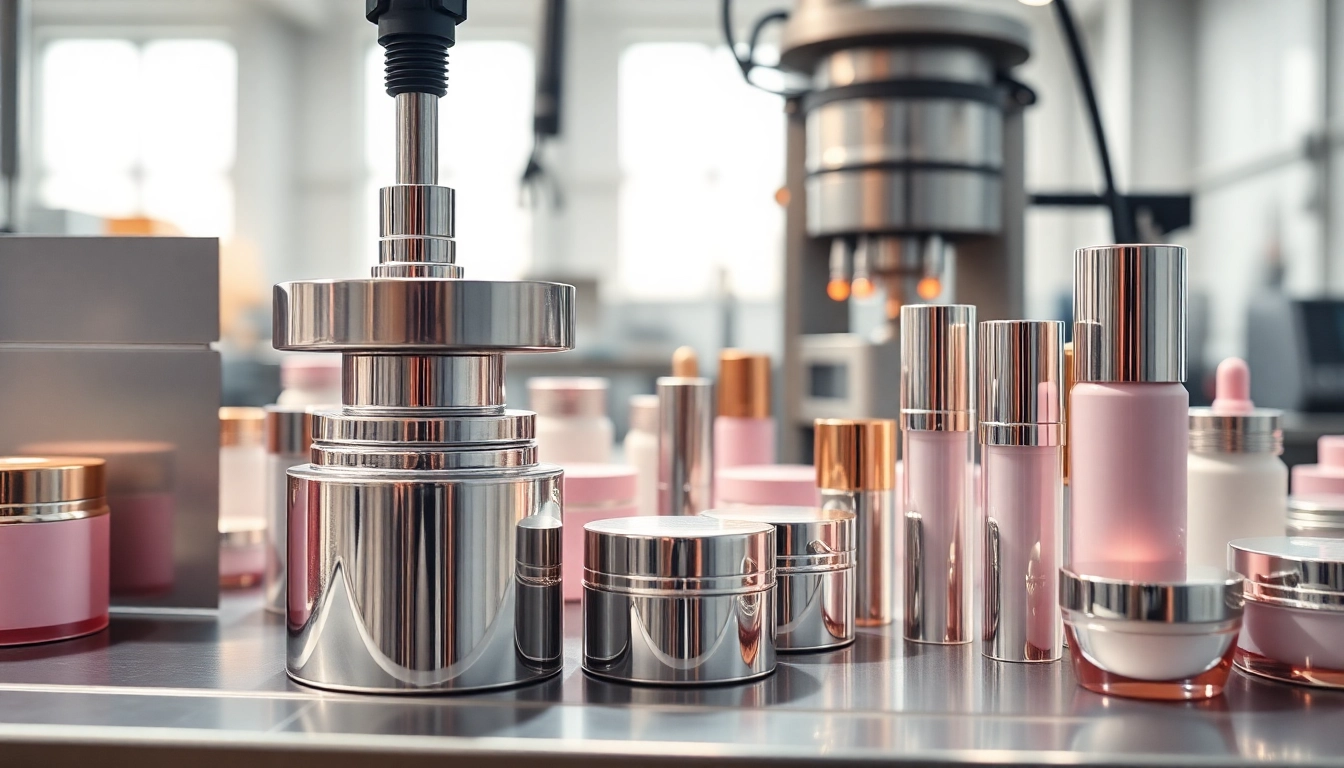
Cosmetic contract packaging refers to the outsourcing of the packaging process of cosmetic products to specialized service providers. This approach allows brands to benefit from the expertise and facilities of established packaging companies without the need to invest in their own manufacturing and packaging infrastructure. By utilizing cosmetic contract packaging, companies can focus on developing their products while leaving the complexities of packaging to experienced professionals.
The Importance of Contract Packaging in the Cosmetic Industry
The cosmetic industry is characterized by rapid innovation and fierce competition. As brands strive to differentiate themselves in a crowded market, the significance of effective contract packaging becomes paramount. This practice not only streamlines the production process but also allows for scalability. Brands can quickly respond to market trends without the overhead of storing packaging materials or expanding their production facilities. Additionally, partnering with contract packaging experts ensures that formulations are handled properly and meet industry standards, thereby protecting product integrity and enhancing consumer trust.
Types of Cosmetic Contract Packaging Services
Various types of services fall under cosmetic contract packaging, catering to different packaging needs. Key services include:
- Filling and Sealing: This service involves the proper filling of cosmetic products into containers and ensuring they are sealed correctly to maintain quality.
- Labeling: Accurate labeling is crucial in the cosmetic industry. Contract packagers often specialize in applying labels that comply with regulatory requirements and appeal to marketing needs.
- Design and Development: Many contract packagers provide design services, helping brands create eye-catching packaging that stands out on retail shelves.
- Storage and Fulfillment: Some companies offer storage facilities and fulfillment services, managing inventory and shipping products directly to retailers or consumers.
Key Factors to Consider in Cosmetic Contract Packaging
Quality Control Throughout the Packaging Process
Quality assurance is crucial in cosmetic contract packaging. Brands must ensure that their chosen packaging partner implements robust quality control measures to prevent defects and maintain product integrity. Regular audits and inspections should be conducted throughout the packaging process. Employing technologies such as automated inspection systems can help in detecting inconsistencies or labeling errors, thus ensuring a high-quality end product.
Choosing the Right Materials for Cosmetic Packaging
The selection of packaging materials directly impacts product performance, shelf life, and consumer perception. When making material choices, brands should consider aspects such as compatibility with formulations, the environmental impact, and aesthetic appeal. Options include glass, plastic, metal, and sustainable alternatives. Employing eco-friendly materials not only meets consumer demand for sustainable products but also enhances brand reputation.
Regulatory Compliance in Cosmetic Packaging
Adhering to regulatory standards is non-negotiable in the cosmetic industry. Companies need to ensure that their contract packaging meets local and international regulatory requirements concerning labeling, safety, and environmental impact. Engaging legal experts or consultants can help navigate this complex landscape, ensuring that packaging practices comply with the necessary guidelines.
Benefits of Cosmetic Contract Packaging for Brands
Cost Efficiency Through Outsourcing
One of the most compelling reasons for brands to engage in cosmetic contract packaging is the potential for cost savings. By outsourcing packaging, companies can avoid the substantial financial implications of purchasing machinery, hiring skilled labor, and maintaining facilities. Furthermore, contract packagers often have established relationships with suppliers, which can lead to lower material costs. This streamlined operation can ultimately enhance profit margins.
Focus on Core Business Activities
Outsourcing packaging allows brands to redirect their resources and attention toward their core business operations, such as product development, marketing strategies, and customer engagement. By alleviating the burdens of packaging logistics, brands can innovate and respond to consumer needs more effectively, leading to enhanced competitiveness in the market.
Enhancing Brand Image and Market Reach
Quality packaging plays a critical role in shaping a consumer's perception of a brand. Well-packaged products suggest reliability and sophistication, which can dramatically influence purchasing decisions. Utilizing professional packaging services allows brands to present themselves in a polished manner, potentially increasing their market reach and attracting new customers.
Steps to Implement Effective Cosmetic Contract Packaging
Identifying Your Packaging Needs
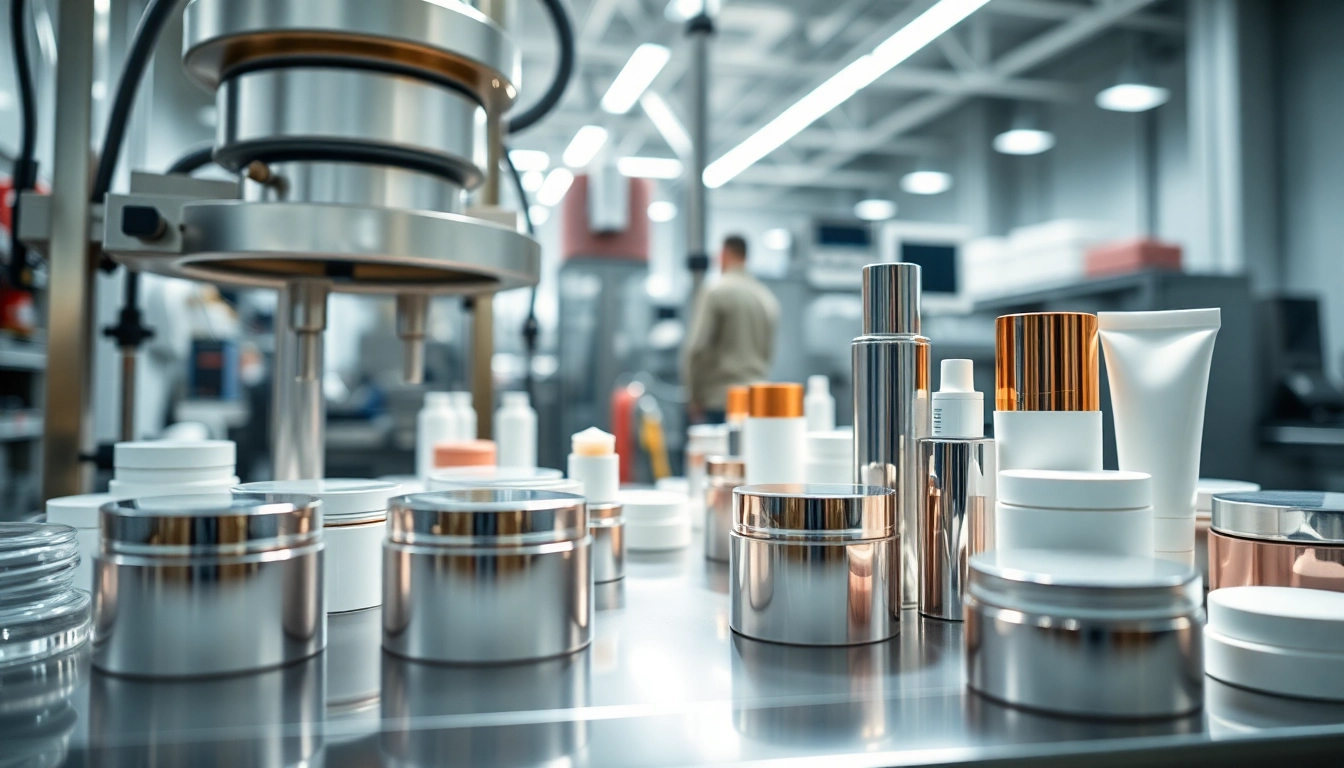
The first step in implementing cosmetic contract packaging is to assess specific packaging requirements. Brands should evaluate product characteristics, distribution methods, target demographics, and regulatory standards. By understanding these factors, companies can better communicate their needs to potential packaging partners, ensuring all specifications are met.
Finding the Right Packaging Partner
Selecting an appropriate contract packaging partner is crucial for success. Brands should research potential partners, analyzing their capabilities, expertise, and client testimonials. Conducting site visits can also provide valuable insights into a partner’s processes and quality assurance measures. Establishing a collaborative relationship with a packaging provider fosters transparency and ongoing communication, which is essential for ongoing success.
Evaluating the Success of Your Packaging Strategy
Once a packaging strategy is implemented, it’s vital to monitor and assess its effectiveness regularly. Key performance indicators (KPIs) such as turnaround times, defect rates, and customer feedback can provide insight into the success of the packaging process. Analyzing these metrics helps brands make data-driven decisions regarding adjustments to packaging strategies or partners as necessary.
Future Trends in Cosmetic Contract Packaging
Sustainability in Cosmetic Packaging Solutions
Sustainability is increasingly becoming a top priority in the cosmetic industry. As consumers demand eco-friendly products, brands are exploring biodegradable or recyclable packaging options. Adopting sustainable practices not only attracts environmentally conscious consumers but also helps brands meet the growing regulatory requirements regarding sustainability, thus positioning them favorably in the marketplace.
Technology Integration in the Packaging Process
Advanced technologies are revolutionizing the packaging industry. Automation, artificial intelligence, and data analytics are being employed to enhance efficiency, accuracy, and scalability in the packaging process. Innovative technologies, such as smart packaging, can provide valuable information through QR codes and sensors, offering consumers insights about product freshness or usage recommendations.
Adapting to Consumer Preferences and Market Changes
As trends in beauty and personal care evolve rapidly, packaging solutions must also adapt. Brands need to stay attuned to consumer preferences, from aesthetic desires to functional needs, adjusting their packaging strategies accordingly. Engaging with consumers through surveys and social media can provide key insights to help foster a responsive packaging strategy that resonates with the target audience.
FAQs about Cosmetic Contract Packaging
1. What types of products are suited for cosmetic contract packaging?
Cosmetic contract packaging is suitable for a wide range of products, including creams, lotions, serums, and color cosmetics, among others.
2. How do I choose the right packaging materials?
Select materials based on product compatibility, consumer appeal, cost, and sustainability. Consider trial runs to test their effectiveness.
3. How can I ensure quality in outsourced packaging?
Implement regular inspections, audits, and employ quality control measures within the packaging process to maintain high standards.
4. What are the advantages of outsourcing packaging?
Outsourcing packaging aids in cost savings, allows brands to focus on core activities, and enhances market presence through professional-quality packaging.
5. What sustainability practices should I consider?
Consider biodegradable materials, recyclable options, and minimalistic designs. Engage with packaging partners known for their sustainable practices.