Understanding House Washing
What is House Washing?
House washing refers to the process of effectively cleaning the exterior surfaces of a home. This may include the walls, roof, windows, decks, and other areas exposed to the elements. House washing is essential for maintaining the aesthetic appeal and structural integrity of a property. It often involves using specialized equipment, such as pressure washers or soft wash systems, and specific cleaning solutions to remove dirt, mold, mildew, and other contaminants.
The Benefits of House Washing
Engaging in House Washing offers numerous advantages for homeowners. Firstly, it significantly enhances curb appeal, making a home look well-maintained and inviting. Regular washing extends the life of exterior materials by preventing mold and algae buildup, which can lead to deterioration. Additionally, a clean home can improve air quality by reducing allergens and dust that accumulate on surfaces. Furthermore, potential buyers may be more attracted to a property that shows signs of regular maintenance.
Common Techniques Used in House Washing
House washing primarily employs two techniques: pressure washing and soft washing. Pressure washing uses high-pressure water jets to remove tough stains and dirt, making it highly effective for durable surfaces such as concrete. On the other hand, soft washing relies on low-pressure water combined with specialized cleaning solutions to safely clean delicate surfaces like vinyl siding or shingles without causing damage. Each method has its own appropriate applications, and understanding when to use each is crucial for optimal results.
Preparation for House Washing
Assessing Your Home's Needs
Before initiating a house washing project, it’s essential to assess the exterior of your home. Examine the amount of dirt, mold, or mildew present and identify areas that may require special attention. This evaluation will help determine the appropriate method and cleaning solutions necessary for effective cleaning. Consider factors such as the type of siding and any plants or landscapes surrounding your home that need to be protected during the cleaning process.
Gathering the Right Equipment
Having the right equipment is vital for efficient house washing. Depending on the technique chosen, you will need either a pressure washer or soft washing equipment. Pressure washers come with various nozzles to adjust the water pressure, while soft washing typically requires a pump and specialized nozzles. Besides the primary equipment, additional tools may include extension wands, ladders, garden hoses, and safety gear such as goggles and gloves. Ensure all equipment is in good working condition before starting.
Safety Precautions to Consider
Safety is paramount when washing a house. Always wear appropriate safety gear, including goggles, gloves, and non-slip shoes. If using a pressure washer, adhere to the equipment’s safety instructions to prevent injury. Be cautious when working from heights, such as ladders, and consider having a partner assist you. Additionally, ensure that children and pets are kept away from the work area during the washing process.
Step-by-Step Guide to House Washing
Using Pressure Washers: Best Practices
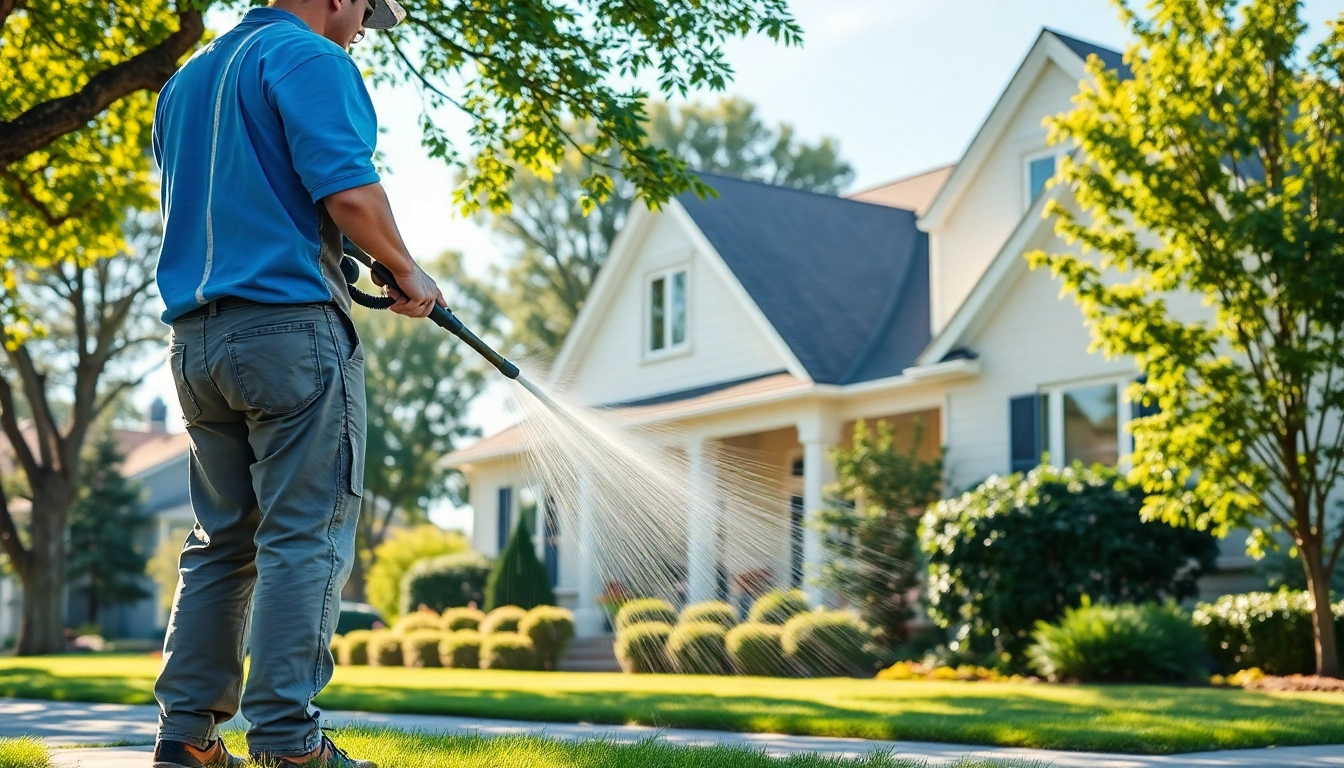
When using a pressure washer, begin by selecting the correct nozzle for your surface type. The fan or wide angle nozzle is usually suitable for large areas, while pinpoint nozzles work better for tough stains. Begin washing from the top of the building and work downward to allow dirty water to drip down. Maintain a consistent distance between the nozzle and the surface to avoid causing damage, typically around 2 to 3 feet. Always keep the nozzle moving to prevent concentrating the pressure on one spot.
Soft Washing Techniques for Delicate Surfaces
For softer surfaces, employ a gentle approach using soft washing techniques. Mix water, a biodegradable cleaning solution, and rinse aid if necessary in a container. Apply this mixture to the surface using a low-pressure spray, and let it dwell for 10-15 minutes to break down dirt and grime. Use a soft brush or sponge to remove stubborn stains, then rinse thoroughly with clean water to protect the materials underneath.
Applying Cleaning Solutions Effectively
Effective application of cleaning solutions is crucial for successful house washing. Always follow the manufacturer's instructions regarding dilution and application methods. When applying cleaning solutions, start from the top to ensure that the chemicals flow downward, which will help in covering all areas evenly. Use a consistent spray pattern for coverage and avoid oversaturating any one area, which can lead to streaks or residue buildup.
Maintaining Your Home After House Washing
Post-Cleaning Inspection Checklist
After washing your house, conduct a thorough inspection. Check for areas that may need retouching or additional cleaning. Look for any damage that may have been concealed by dirt, such as peeling paint or cracks in the siding. This inspection ensures that you address any issues promptly and maintain the overall health of your home’s exterior.
Regular Maintenance Tips to Extend Cleanliness
To keep your home looking its best, establish a regular maintenance schedule. Clean your home annually or semi-annually, depending on environmental factors such as dust, pollen, or heavy rainfall. Avoid allowing mold or algae to accumulate by promptly addressing any moisture issues. Inspect gutters regularly and remove debris that may cause water to back up onto your home. Additionally, bird droppings and plant sap should be cleaned off promptly as they can affect your home’s finish.
Signs Your Home Needs Another Wash
Pay attention to certain indicators that your home may require washing again. If you notice staining, discoloration, or a general dullness on siding or exterior surfaces, it may be time to schedule another wash. Additionally, if you see a resurgence of mold or mildew, the time to clean is now. For areas that receive heavy traffic or are located in shady portions of your yard, cleaning may be necessary more frequently due to increased fungal growth.
FAQs about House Washing
What is the average cost of house washing?
The average cost to power wash a home typically ranges from $241 to $418, influenced by the home’s size and location. Factors such as the type of surfaces cleaned can also impact pricing.
What services are included in a house wash?
House washing services generally involve the removal of dirt, mold, algae, and other contaminants from exterior surfaces, ensuring a clean and appealing look.
How often should I wash my house?
Most experts recommend washing a home at least once a year, although factors like climate and environmental exposure might warrant more frequent cleaning.
Can I do house washing myself?
Yes, house washing can be a DIY project with the right tools and knowledge. However, hiring professionals can ensure better safety and effectiveness, particularly for high or challenging areas.
What are the risks of not washing my house?
Not washing your house regularly can lead to issues such as mold growth, deterioration of building materials, and a decline in property value over time due to neglect.