Bed bugs can be a significant nuisance, affecting sleep and overall quality of life. Understanding how to handle these pests is crucial for maintaining a comfortable living environment. Proper bed bug treatment can effectively eliminate these unwelcome guests and restore peace in your home. This article will explore comprehensive strategies, including understanding bed bugs, assessing infestations, preparing treatments, types of treatments available, and maintaining a bed bug-free home.
Understanding Bed Bugs and Their Behavior
1.1 What are Bed Bugs?
Bed bugs are small, reddish-brown insects that feed on the blood of humans and animals. They are nocturnal, meaning they’re most active at night, feeding primarily while their hosts sleep. Adult bed bugs measure about 1/4 inch long, resembling an apple seed in shape. Their flat bodies make it easy for them to hide in small cracks and crevices, making detection difficult.
1.2 Signs of Infestation
Recognizing the signs of bed bug infestation is key to early intervention. Common signs include:
- Itchy, red welts: Bed bug bites often result in small, red welts that itch.
- Dark spots: Small bloodstains or fecal spots can be found on bedding or furniture, indicating bed bug presence.
- Eggs and shells: Bed bugs lay eggs in hidden locations, and discarded exoskeletons are common signs of growth.
- Musty odor: An overpopulation of bed bugs can produce a distinct, sweet, musty smell.
1.3 Life Cycle of Bed Bugs
The bed bug life cycle consists of several stages: egg, nymph, and adult. Female bed bugs can lay up to 500 eggs in their lifetime. Eggs hatch within a week, and nymphs go through five molts before becoming adults. This life cycle allows bed bugs to reproduce rapidly, leading to significant infestations if not addressed promptly.
Assessing the Severity of Bed Bug Infestations
2.1 Identifying Infestation Levels
Determining the severity of a bed bug infestation hinges on thorough inspections of your living space. Light infestations can be managed through DIY solutions, while heavier infestations may require professional intervention. Assess rooms that are often occupied, especially bedrooms and living areas.
2.2 Tools for Inspection
Effective inspection requires specific tools and strategies:
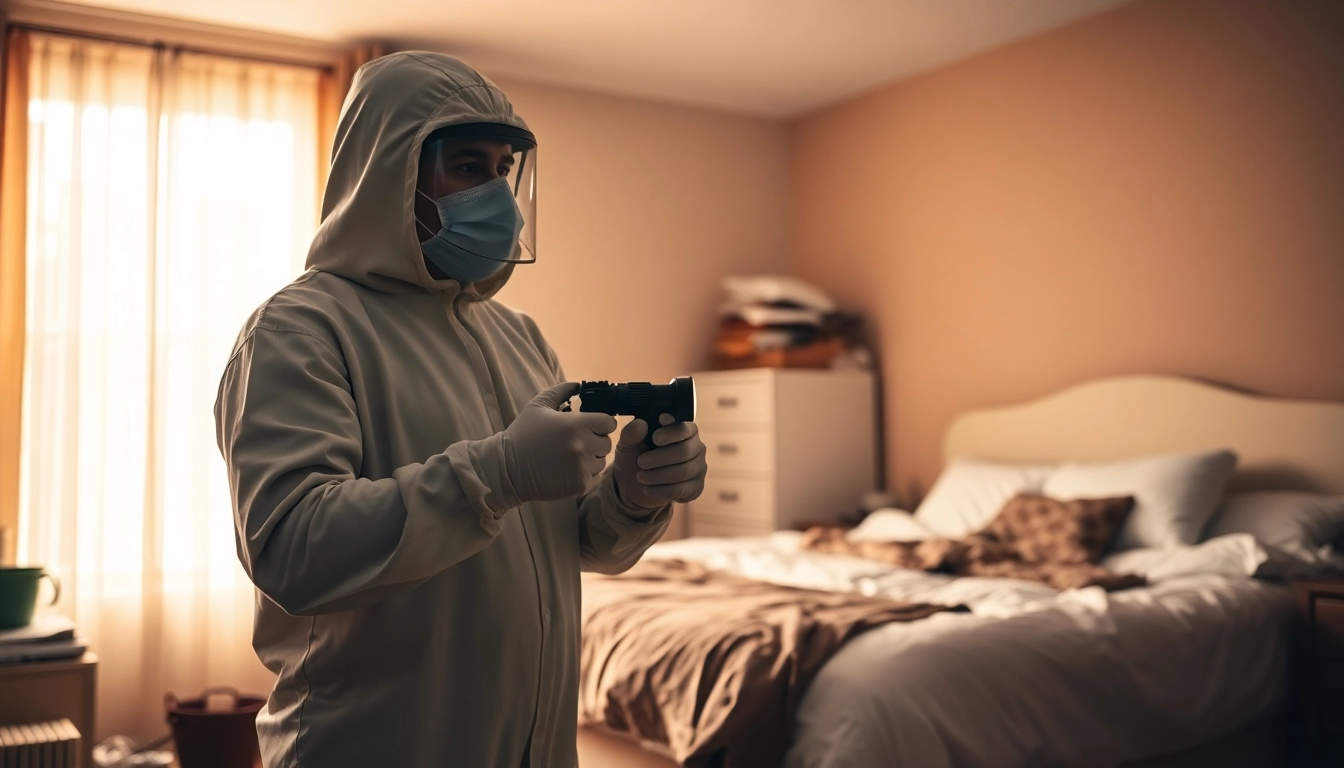
- Flashlight: Illuminate dark spaces such as under mattresses and bed frames.
- Credit card or stiff piece of cardboard: Use this to check crevices and seams for hidden bugs.
- Vacuum: A vacuum can help in both detecting and removing bed bugs, especially in carpets and upholstery.
2.3 Common Misconceptions
Several myths can hinder effective bed bug eradication:
- They're a sign of poor hygiene: Bed bugs can infest even the cleanest homes, as they are attracted by warmth and carbon dioxide.
- They only live in beds: While they prefer beds, bed bugs can inhabit various areas, including furniture, luggage, and even electrical outlets.
- DIY methods are foolproof: Some think home remedies will solve infestations, but they might not be effective for severe cases.
Preparing Your Space for Bed Bug Treatment
3.1 Cleaning and Decluttering
Before treatment, it's essential to clean and declutter your space. This process improves treatment efficacy by allowing access to infested areas. Wash all bedding, curtains, and clothing in hot water, and dry them on high heat to kill any existing bugs.
3.2 Safety Precautions
Safety should be your priority. When using chemicals for treatment, ensure that pets or children are removed from treated spaces. Wear protective gear if applying stronger pesticides and follow manufacturer instructions closely.
3.3 Informing Household Members
All household members should be aware of the infestation and subsequent treatments. Discuss safety protocols and prevention strategies to ensure a collective effort in managing the situation.
Types of Bed Bug Treatment Options
4.1 Chemical Treatments
Chemical treatments often involve pesticides specifically designed to kill bed bugs. Professional exterminators usually apply these products, ensuring safe and effective use. A variety of insecticides can be employed, targeting different life stages of the bed bug.
4.2 Heat Treatment
Heat treatment entails raising the temperature of an infested area to a point that is lethal to bed bugs (typically above 120°F). This method is highly effective and eliminates bed bugs in all life stages without questionable chemical residues.
4.3 DIY and Natural Remedies
While not as effective as professional solutions, DIY treatments can be used as interim measures. Some popular options include:
- Diatomaceous Earth: This natural powder kills bed bugs when they come into contact with it.
- Essential Oils: Oils like tea tree, lavender, or peppermint claim to repel bed bugs, although scientific backing is limited.
- Homemade traps: Creating traps with items like soapy water or sticky tape can help monitor and reduce the population.
Post-Treatment: Maintaining a Bed Bug-Free Home
5.1 Monitoring and Prevention Steps
After treatment, continue to monitor your home for signs of returning bed bugs. Regular inspections, combined with preventive measures—such as encasing mattresses and regularly vacuuming—can help keep your home bed bug-free.
5.2 When to Call Professionals
If you notice signs of an infestation returning or if your initial attempts at pest control have failed, it’s time to seek professional help. Licensed pest control experts can provide thorough inspections and effective treatments tailored to your needs.
5.3 Final Thoughts on Bed Bug Treatment
Addressing a bed bug infestation can be a daunting task, but thorough understanding and proactive measures can lead to successful management. Knowledge of the behaviors, treatment options, and vigilance in monitoring can help you reclaim your home from these persistent pests.
Frequently Asked Questions
1. How can I prevent bed bugs?
To prevent bed bugs, regularly inspect your sleeping areas, travel carefully with luggage, and use mattress and box spring encasements.
2. What is the fastest way to get rid of bed bugs?
Heat treatment is one of the fastest ways to eliminate bed bugs, as it kills all life stages quickly without relying on chemicals.
3. Can I treat bed bugs on my own?
You can try DIY methods, but severe infestations typically require professional expertise for complete eradication.
4. How often should I check for bed bugs?
Regular checks should be performed, especially after travel or if you notice bites. Aim for at least once a month, especially in vulnerable areas.
5. Are bed bug bites harmful?
Bed bug bites usually cause itchy welts but can lead to secondary infections if scratched. They are not known to transmit diseases.