Importance of Screen-Free Playtime
In an age where screens dominate entertainment, understanding the significance of screen-free playtime for children has never been more essential. Engaging in activities without screens allows kids to develop crucial skills that support their overall growth. The focus of play shifts from passive consumption to active creativity and interaction with their environment. This article will explore the benefits of reducing screen time and provide a selection of toys and activities that promote fine motor skills and imaginative play. To further your understanding of screen-free options for kids, visit the website for top recommendations.
Benefits of Reducing Screen Time
Reducing overall screen time contributes to various benefits for children's physical, mental, and emotional health. Studies indicate that children who engage less with screens tend to have better sleeping patterns, improved focus, and stronger social interactions. Beyond the immediate advantages, limiting screen exposure cultivates creativity, as children are encouraged to invent their narratives and solutions outside of a digital framework. This creative freedom fosters imagination and divergence in their play experiences.
Impact on Child Development
Child development is a multifaceted process that encompasses physical, cognitive, emotional, and social growth. Screen-free playtime has been associated with enhanced gross and fine motor skills, as children engage in more hands-on activities. Problem-solving abilities also see a boost when children are challenged to think independently. Additionally, nurturing emotional skills through play allows children to understand their feelings better and develop empathy towards others, which is pivotal for forming healthy relationships.
Finding a Balance
As screens are part of modern life, finding a balance is crucial. Setting boundaries is an effective approach, wherein parents can devise a structured schedule for screen use and encourage prolonged periods of screen-free play. Integrating fun activities that captivate children's interest is vital, as is providing them with alternatives that stimulate their development without the screens. Regularly involving them in engaging play ensures they experience the full spectrum of development opportunities nature offers.
Top Screen-Free Toys for Fine Motor Skills
Building Sets to Inspire Creativity
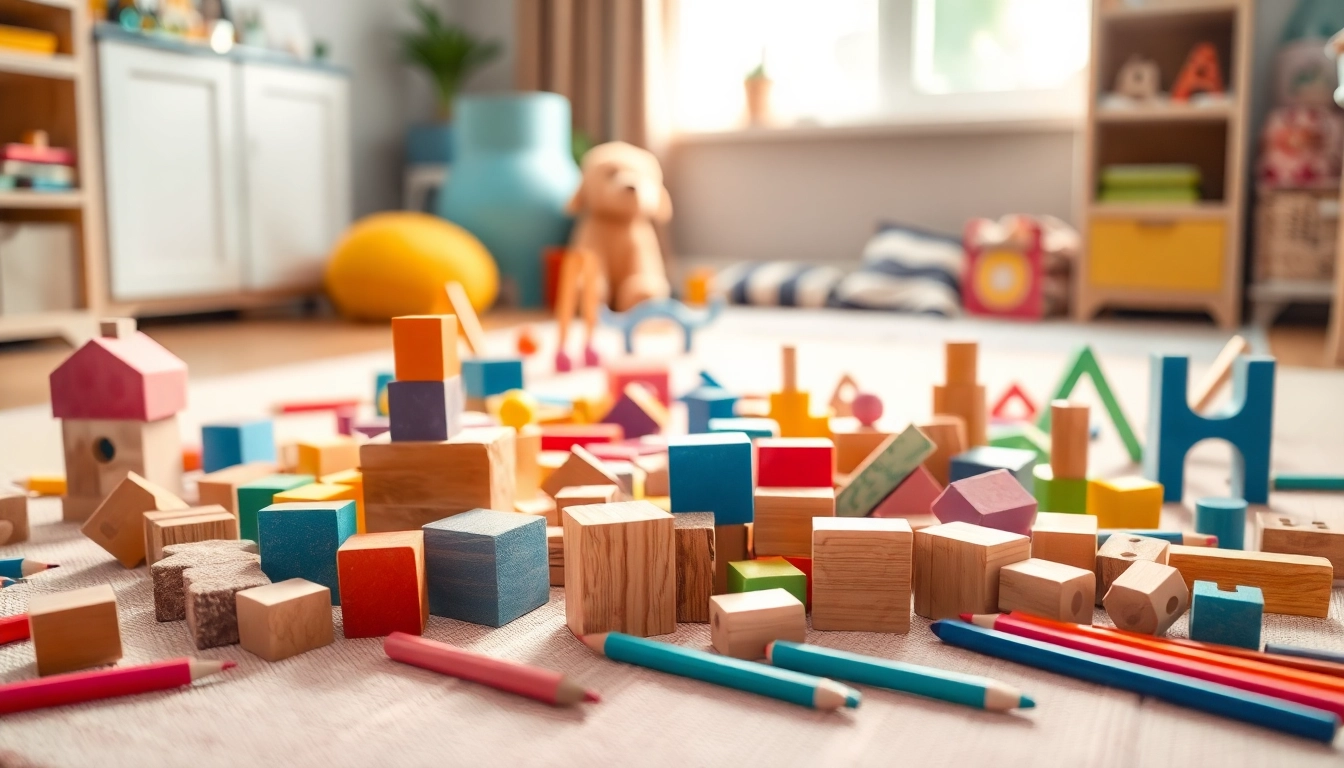
Building sets are an excellent screen-free option that promotes fine motor skills and cognitive development. These sets allow children to construct various structures, encouraging problem-solving skills and creativity. Not only do they improve hand-eye coordination, but they also stimulate spatial awareness. Choosing interlocking blocks of various shapes and colors can enhance visual discrimination, which is foundational for mathematical skills.
Craft Kits for Young Artists
Craft kits provide endless opportunities for self-expression while honing fine motor skills. From finger painting to intricate beading, these kits engage young artists in activities that demand precision and creativity. Crafting can also introduce fundamental concepts like color mixing, symmetry, and pattern creation. Encouraging children to showcase their artwork fosters self-esteem and pride in their accomplishments.
Interactive Playsets for Imaginative Play
Interactive playsets stimulate imaginative play, which helps children develop language skills and social understanding. Playsets could involve pretend play, where children act out various roles, giving them the opportunity to explore their emotions and preferences. These settings also serve as great platforms for collaborative play, facilitating teamwork and communication skills when kids engage with peers or family members in their imaginative scenarios.
Engaging Play Ideas without Screens
Hands-On Activities to Boost Learning
Hands-on activities are a fantastic way to engage children in constructive learning experiences. Simple activities like science experiments, cooking projects, and gardening can teach essential skills while reinforcing concepts learned in school. These interactive methods keep children curious and eager to explore the world around them while developing a love for learning and discovery.
Outdoor Games to Encourage Active Play
Outdoor games such as tag, hide-and-seek, or organized sports provide an ideal outlet for energy and physical health. Outdoor play is essential for developing coordination, balance, and strength. Institutions emphasize the importance of active play in reducing obesity levels in children and developing lifelong healthy habits. Nature also offers an unobstructed learning environment where children can explore science through observation and interaction.
Group Activities for Social Skills Development
Group activities not only foster cooperative play but enhance children’s social skills remarkably. Collaborating on projects, playing team sports, or participating in community events encourages children to communicate, negotiate, and resolve conflicts. These experiences build the foundation for strong interpersonal relationships, critical for emotional growth and future success in diverse social situations.
Learning Through Play: The Educational Aspect
Choosing Toys that Promote Skill Development
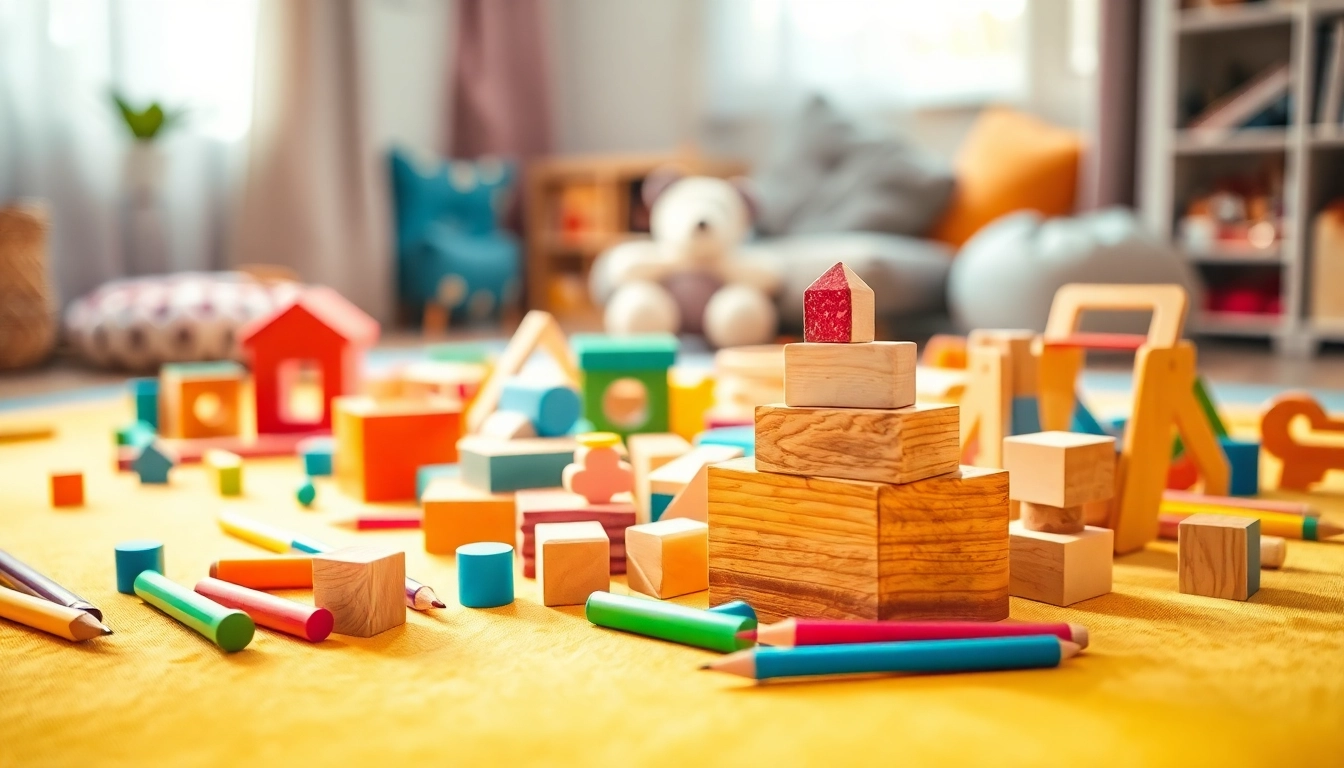
Selecting toys that focus on skill development is pivotal for parents. Toys like puzzles enhance cognitive skills, while stacking toys improve fine motor skills. Look for toys that have multi-purpose functions fostering creativity, such as art supplies or science kits. Engage with children by participating in playtime, guiding them through discovering new possibilities with their toys that promote critical thinking.
How to Incorporate Learning into Playtime
Incorporating educational elements into playtime can be seamless and enjoyable. Parents can integrate topics they want their kids to learn about by tailoring activities around their interests, e.g., creating a treasure map with math problems to solve. Such educational enhancements in monotonous play can lead to curiosity-driven exploration, effectively transforming regular play into an enriching learning experience.
Monitoring Progress and Adjusting Activities
Monitoring a child’s development through play helps assess their growth and interests. Regularly adjusting activities based on what they enjoy and the skills they are developing ensures sustained engagement. Troubleshooting when a child seems uninterested is crucial; instead of abandoning an activity, parents can introduce variations or alternative challenges to reignite motivation and keep the learning process dynamic and exciting.
FAQs about Screen-Free Toys
What are the best screen-free toys for toddlers?
The best screen-free toys for toddlers include building blocks, shape sorters, and simple art supplies. These toys promote creativity, fine motor skills, and problem-solving while being age-appropriate and engaging.
How can screen-free play improve concentration?
Screen-free play encourages children to focus on tasks actively, enhancing their attention span. Engaging in hands-on activities requires sustained concentration, resulting in improved focus with practice over time.
Are there screen-free toys that promote teamwork?
Yes, many screen-free toys, such as cooperative games and building sets, can promote teamwork. Children learn to collaborate, communicate, and share ideas while working together towards a common goal.
How much screen time should children have?
Experts recommend limiting screen time for children to no more than one to two hours of high-quality programming daily, emphasizing balance with physical activity and social play.
What role do parents play in screen-free play?
Parents play a crucial role by providing diverse play opportunities, engaging in activities together, and ensuring a healthy balance between screen time and screen-free play, fostering an environment of exploration and fun.