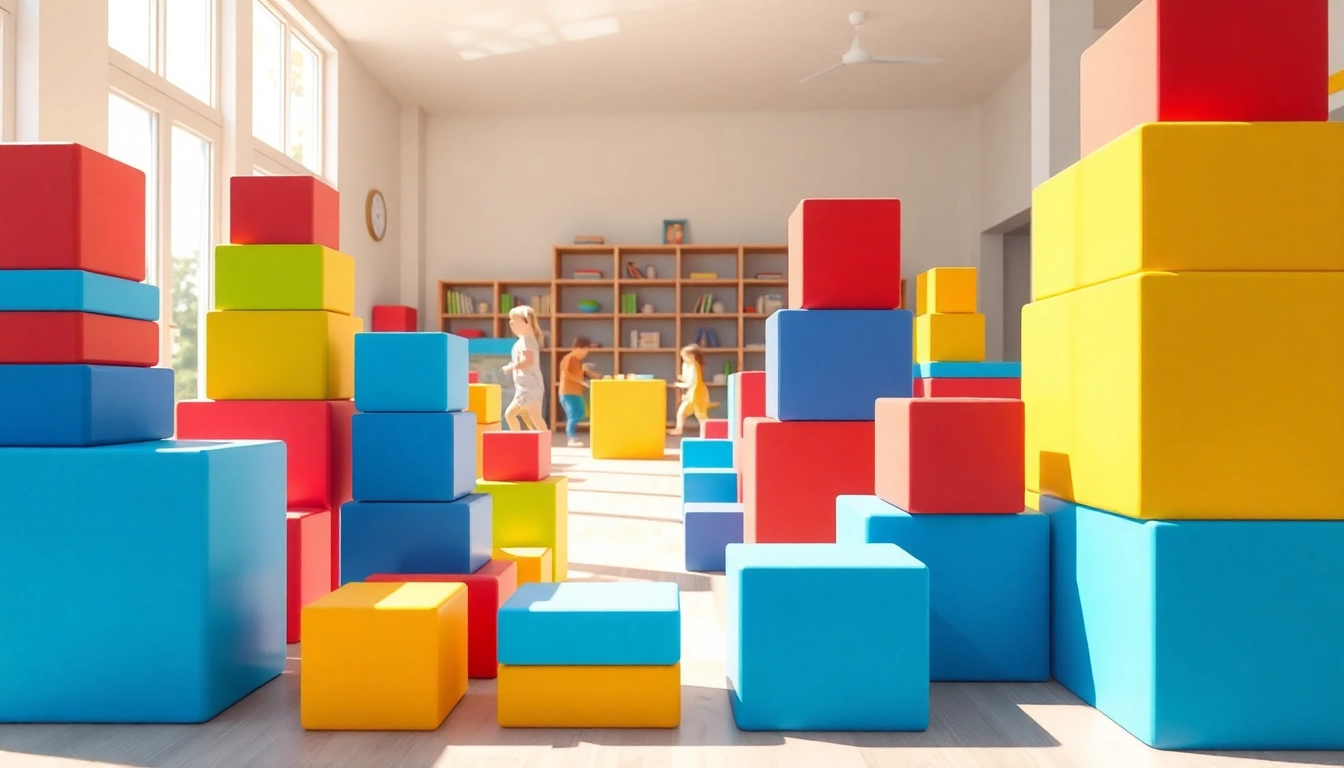
Introduction to Giant Foam Building Blocks
What Are Giant Foam Building Blocks?
Giant foam building blocks are large, lightweight construction toys made from soft foam materials. They come in various sizes, colors, and shapes, encouraging children and even adults to unleash their creativity in building structures. These blocks are designed to be safe and user-friendly, making them perfect for both indoor and outdoor play. Their soft texture ensures that kids can stack, topple, and rearrange them safely without the risk of injury. To explore more details about the options available, one should consider the significance of these engaging tools.
Benefits of Using Foam Blocks Indoors
The indoor use of giant foam building blocks has numerous benefits. Firstly, they serve as a fantastic educational tool, promoting cognitive and motor skills in children. As kids manipulate the blocks, they develop hand-eye coordination and spatial awareness. Additionally, foam blocks encourage imaginative play; they can transform into anything from towering castles to complex cities in the minds of young builders.
Another advantage is the enhancement of social skills. Playing with foam blocks often involves group interactions, fostering teamwork and communication among children. These blocks also provide a safe environment as they are typically made from non-toxic materials and have soft edges, ensuring a safe play experience even in a limited indoor space.
Choosing the Right Size and Shape
When selecting giant foam building blocks, size and shape play a pivotal role. Larger blocks may cater to younger children who require more stability and ease of manipulation. Conversely, smaller blocks can provide older children with the challenge of precise stacking and construction.
In terms of shapes, it's beneficial to consider a combination of traditional geometric forms, like cubes and rectangles, alongside more creative designs such as arches or triangular shapes. This variety promotes a richer play experience, stimulating children's creativity and problem-solving skills when they are attempting to design and build their structures.
Setting Up the Perfect Play Space
Ideal Locations for Indoor Use
Identifying the ideal location for using giant foam building blocks can significantly enhance the play experience. Large, open spaces such as playrooms, basements, or even living rooms can serve as great venues. The area should be free from sharp edges and breakable items to ensure safety during play.
Additionally, consider the ambient conditions—enough light to create an inviting atmosphere can further inspire creative building sessions. However, it is vital to have a clear area surrounding the designated play space to prevent accidents during active play when kids may run or tumble into the surrounding area.
Safety Considerations and Floor Space Requirements
Ensuring a safe environment is paramount when utilizing giant foam blocks. The floor should be covered with a soft material, like foam mats or carpets, to cushion any falls. Be mindful of any light installations or overhead obstacles that could cause injury if children leap or climb. A free zone of approximately 6 feet around the building area is advisable for optimal safety.
Moreover, supervision is key. It’s recommended that adults engage and monitor playtime, especially when children are constructing larger structures, ensuring that everyone is adhering to safety protocols and practices.
Creating Zones for Different Activities
Creating designated zones within your play space can significantly enhance the playtime experience. You can establish different areas for building, quiet play, or even dramatic play scenarios. For instance, one zone could be set aside for constructing while another can serve as an area for themed storytelling or role-playing.
This zoning not only organizes the play space but also enriches the children's experience, encouraging them to engage in diverse activities that foster varied developmental skills such as creativity, communication, and critical thinking.
Engaging Activities with Foam Blocks
Interactive Games to Boost Creativity
There are numerous interactive games that can be played using giant foam building blocks. One popular game is the “Building Relay.” In this activity, children race against the clock in teams to create a specific structure using a limited number of blocks. This game not only promotes teamwork but also helps them develop their construction skills.
Another creative game is “Block Storytelling,” where children use their constructed structures as a backdrop for storytelling sessions. This encourages narrative thinking and creativity as children embellish their stories with the physical structures they have created.
Collaborative Building Challenges
Collaborative building challenges further enrich the play experience with foam blocks. For instance, teams can be tasked to create the tallest building or the most imaginative creation within a specific time frame. This format nurtures social interaction while instilling a sense of community and shared accomplishment.
Consider integrating themes into these challenges. For example, you could have a “space mission” challenge where children construct a rocket or a “natural environment” where they create sustainable habitats. Such themes facilitate educational discussions around science, nature, and community.
Incorporating Educational Aspects
Foam blocks can also be employed as tools for educational purposes. Engaging children in math and science concepts can be easily achieved through practical applications. For instance, having children group blocks by size or shape introduces basic geometry, while counting the number of blocks used in a structure incorporates fundamental math skills.
Furthermore, you can facilitate discussions about engineering principles during play, explaining concepts such as balance and gravity while they construct. This experiential learning approach helps solidify academic concepts in a fun and engaging manner.
Maintaining and Caring for Your Foam Blocks
Cleaning and Sanitizing Techniques
Maintaining the cleanliness of giant foam building blocks is vital for ensuring a safe play environment. Regular cleaning is recommended, especially after use in shared spaces where multiple children participate. Utilize mild soap mixed with water and a soft cloth to wipe down surfaces thoroughly.
For sanitization, consider using non-toxic cleaning solutions designed for toys, ensuring that any residues do not remain on the foam. It's essential to allow blocks to air dry completely before storage to prevent mold and bacteria growth.
Long-term Care Tips to Enhance Durability
To extend the life of your foam blocks, proper storage is key. Store them in a cool, dry area out of exposure to direct sunlight, which could cause fading or degradation over time. Consider using storage bins that allow for air circulation to avoid damp buildup.
Additionally, rotating the blocks used during play can help in preventing certain blocks from wearing out faster than others. Regularly rearranging the play area and ensuring it remains clutter-free will further enhance the longevity of the blocks.
Repairing Damaged Blocks Effectively
Despite their durability, foam blocks may sustain damage over time. Minor tears or indentations can often be repaired using non-toxic adhesive specifically designed for foam. Assess the damage carefully; in many cases, a simple adhesive application and reshape can restore functionality to the block.
For blocks that have become overly compressed or misshapen, consider using a foam revitalizer to regain their original form. Ultimately, addressing these repairs promptly will keep the blocks safe and functional for continued use.
FAQs about Giant Foam Building Blocks
Are giant foam blocks safe for children?
Yes, giant foam blocks are designed with safety in mind. They are made from non-toxic materials and have soft edges, reducing the risk of injury during play.
What material are giant foam blocks made from?
Giant foam blocks are typically constructed from high-density foam, which is lightweight, durable, and safe for kids to handle.
How can I incorporate educational play with foam blocks?
You can integrate educational play by using foam blocks for counting, sorting by shape/color, or constructing structures to explain engineering principles in a hands-on way.
Where can I purchase high-quality foam building blocks?
High-quality foam building blocks can be found at specialty toy stores, educational supply retailers, and online platforms that focus on children’s educational products.
What ages are suitable for playing with foam blocks?
Foam blocks are suitable for a wide range of ages, typically starting from toddlers around 18 months to pre-teens, offering scalable challenges as children grow.