Understanding Commercial Solar Maintenance New Jersey
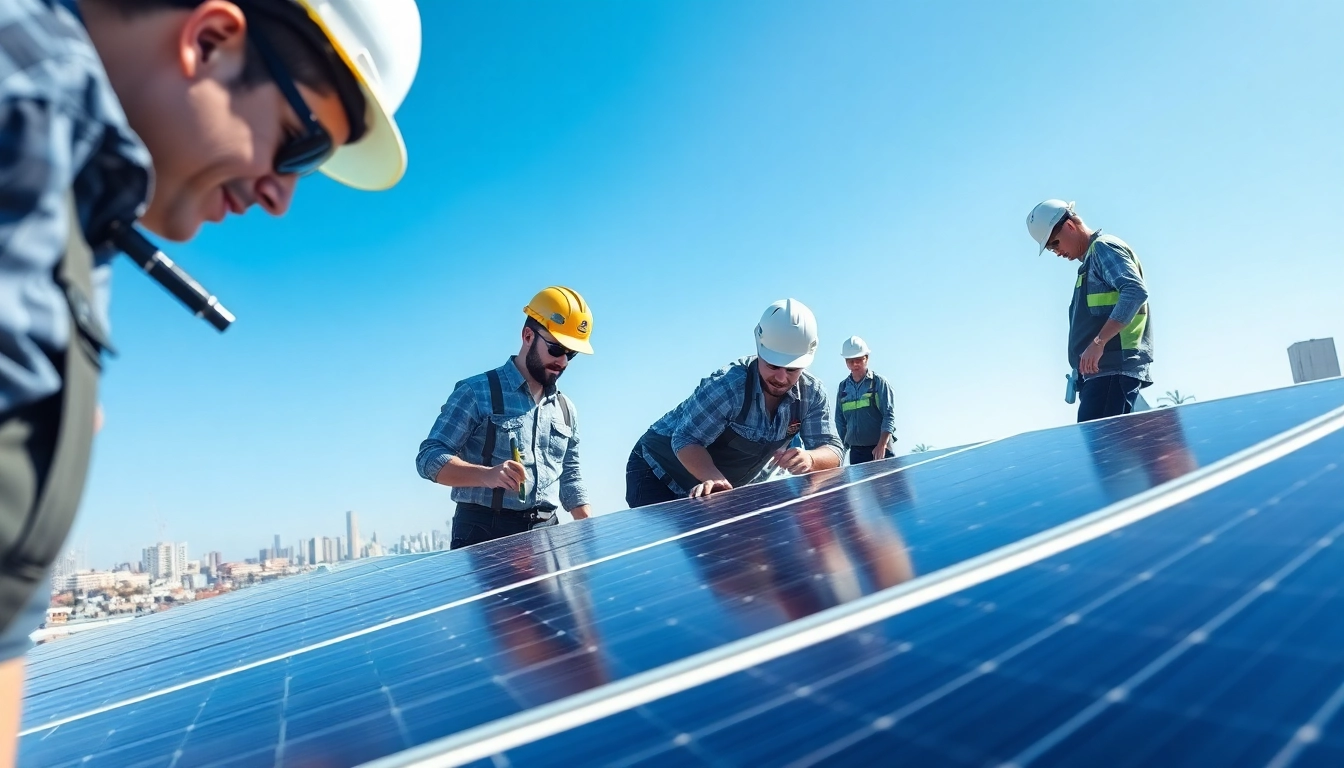
As businesses across New Jersey embrace sustainable energy solutions, the importance of commercial solar maintenance New Jersey has never been more pronounced. Regular maintenance of solar systems is essential to ensure optimal efficiency and longevity, reduce operational costs, and enhance environmental benefits. This guide aims to provide a comprehensive overview of commercial solar maintenance, covering its significance, best practices, cost considerations, and future trends.
Importance of Regular Maintenance
Regular maintenance is pivotal for maximizing the performance of solar systems. Commercial solar panels can accumulate dirt, debris, and other contaminants that hinder their efficiency. By conducting routine inspections and servicing, businesses can ensure that their solar panels operate at peak capacity, effectively reducing energy costs and maximizing return on investment (ROI).
Key Components of Solar Systems
Understanding the key components of solar systems is crucial for effective maintenance. A typical commercial solar installation includes solar panels, inverters, mounting structures, and electrical wiring. Each component plays a vital role in the system's overall efficiency. Solar panels convert sunlight into electricity; inverters transform the electricity to a usable form; and proper mounting and wiring ensure stability and connectivity. Routine checks on these components can help identify issues before they escalate into costly repairs.
Signs Your System Needs Attention
Being attentive to the performance indicators of your solar system can save time and money. Some common signs that your system might need maintenance include:
- Decreased Energy Output: A noticeable drop in energy production can signify issues with solar panels or inverters.
- Visual Damage: Cracks, dirt accumulation, or debris on the panels can impair efficiency.
- Unusual Noises: Sounds from inverters or other components can indicate mechanical failure.
Best Practices for Commercial Solar Maintenance
Routine Inspection Checklist
Implementing a routine inspection checklist can streamline the maintenance process. A comprehensive checklist may include:
- Inspecting solar panels for physical damage or soiling.
- Testing inverter functions and performance metrics.
- Checking electrical connections for corrosion or wear.
- Monitoring overall system performance against expected output levels.
Cleaning Techniques for Solar Panels
Solar panel cleaning is essential to maintain efficiency. Techniques can vary based on the installation's size and location. Some effective methods include:
- Waterless Cleaning: Using specialized brushes and cleaning solutions.
- Water Cleaning: Employing soft water to rinse panels, preferably during cooler periods to avoid streaking.
- Professional Services: Engaging professionals for high-rise or extensive installations can ensure safety and effectiveness.
Identifying and Managing Common Issues
Common issues such as inverter failures, shading, and wiring problems can significantly affect performance. Regular monitoring and quick response to anomalies are crucial. Implementing advanced monitoring systems can help in early detection of issues and rectification before they lead to operational downtime.
Cost Considerations for Commercial Solar Maintenance New Jersey
Factors Affecting Maintenance Costs
The cost of maintenance can vary based on several factors including the size of the installation, the complexity of the system, and the frequency of required services. Larger systems or those with more intricate designs may incur higher maintenance fees, while simpler systems may be more economical to maintain.
Cost-Benefit Analysis of Regular Maintenance
Investing in regular maintenance can significantly enhance the value derived from solar systems. By minimizing downtime and optimizing energy production, businesses can achieve greater financial savings in the long run. A comprehensive cost-benefit analysis will often illustrate that the costs associated with proactive maintenance are far outweighed by the savings from reduced energy expenses.
Finding Affordable Maintenance Solutions
Finding the right maintenance provider at a reasonable price involves thorough research and comparison. Consider evaluating multiple service providers, requesting quotes, and examining service packages that align with your specific needs and budget.
Choosing the Right Service Provider
Qualities of a Reliable Maintenance Company
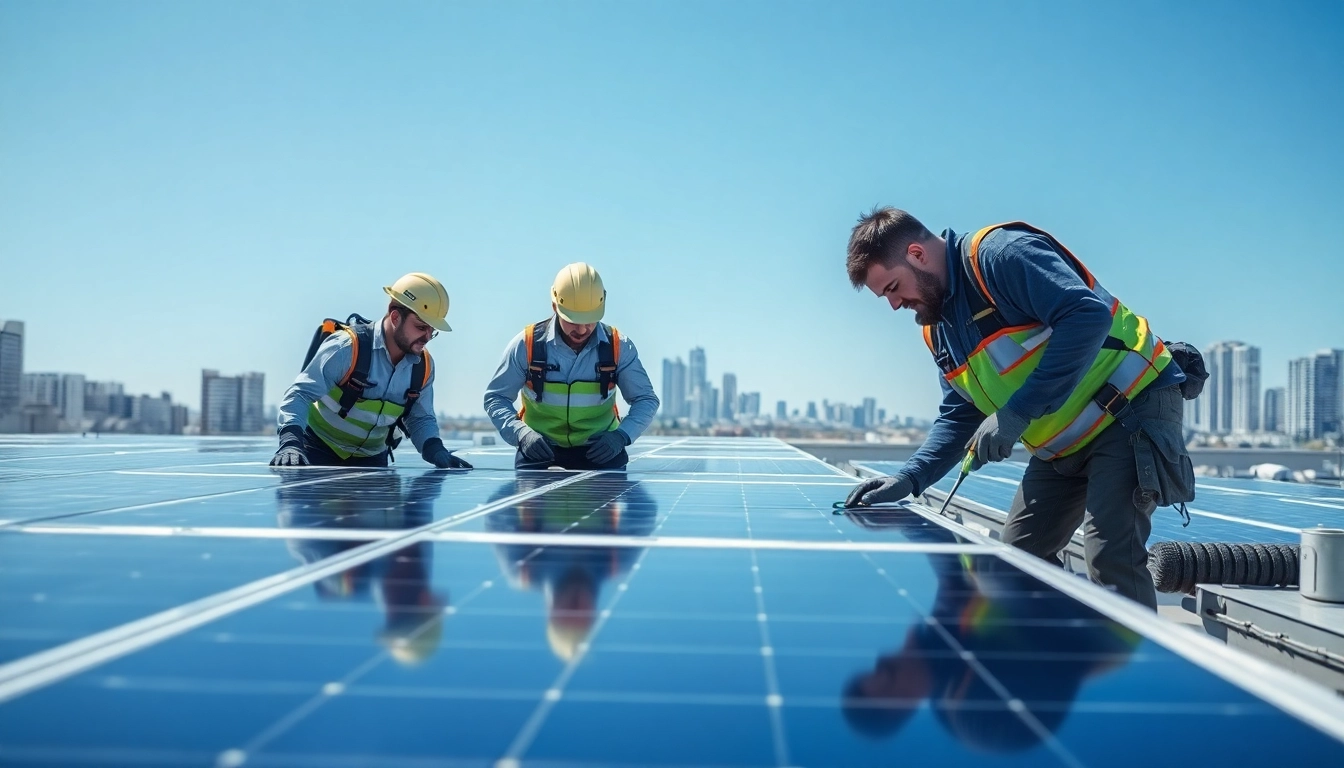
When selecting a maintenance provider, look for companies with a proven track record, appropriate certifications, and positive customer reviews. A reliable provider should offer transparent pricing, detailed service agreements, and knowledgeable staff that can address specific concerns.
Questions to Ask Potential Contractors
Before making a selection, ask potential contractors several key questions, including:
- What is your experience with commercial solar systems?
- Can you provide references or case studies from similar clients?
- What is included in your maintenance package?
- Do you offer emergency support services?
Reading and Understanding Reviews
Client reviews and testimonials can offer invaluable insights into a service provider’s reliability and quality of work. Look for patterns in the feedback, especially regarding response times, service quality, and overall customer satisfaction. Use this information to make an informed decision.
Future Trends in Solar Maintenance New Jersey
Technological Advances in Solar Monitoring
As technology evolves, so does the solar industry. Innovations in monitoring systems, such as real-time performance tracking and predictive analytics, are becoming common. These technologies allow for proactive maintenance, helping businesses to anticipate issues before they impact performance.
Environmental Factors Influencing Maintenance
As environmental considerations grow increasingly significant, solar maintenance will need to adapt to changing climates and ecological impacts. Factors such as extreme weather, increased pollution, and changing landscapes can all influence how frequently and extensively systems need attention.
Preparing for Future Energy Needs
As energy needs evolve, commercial solar systems will need to adapt to larger capacities and integration with other renewable sources. Planning for future expansions or enhancements will be key to maintaining efficiency and effectiveness.
Frequently Asked Questions
1. How often should I clean my commercial solar panels?
Cleaning frequency varies but generally, solar panels should be cleaned 2-4 times a year, depending on local conditions like dust and bird droppings.
2. What are the main components that require maintenance?
The main components include solar panels, inverters, wiring, and mounting systems. Each requires periodic inspection for optimal performance.
3. How can I tell if my system needs maintenance?
Signs include decreased energy output, visual damage on panels, or unusual noises from inverters. Regular monitoring helps catch issues early.
4. What is the average cost of commercial solar maintenance?
Costs can vary significantly based on system size and services provided, but proactive maintenance is generally a cost-effective investment.
5. Can I perform maintenance myself?
While some basic maintenance tasks can be done by owners, it's advisable to hire professionals for inspections and major maintenance to ensure safety and expertise.