Understanding Deepfake Technology in Online Video Calls
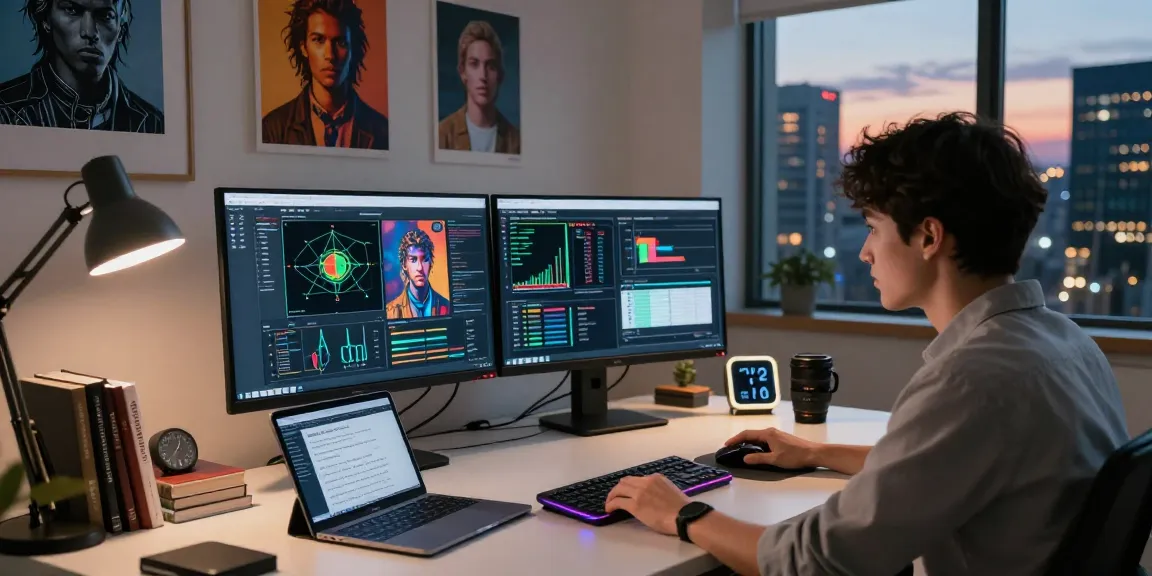
In recent years, the emergence of deepfake technology has reshaped the landscape of online interactions, particularly in video calls. As artificial intelligence (AI) continues to evolve, so does the sophistication of methods used to create hyper-realistic manipulations of video footage. This rising trend has significant implications for security and privacy, introducing a pressing need for awareness and protective measures. With the rapid adoption of remote communication tools, the importance of Deepfake protected Online Video Calls cannot be overstated for individuals and businesses alike.
What Are Deepfake Protected Online Video Calls?
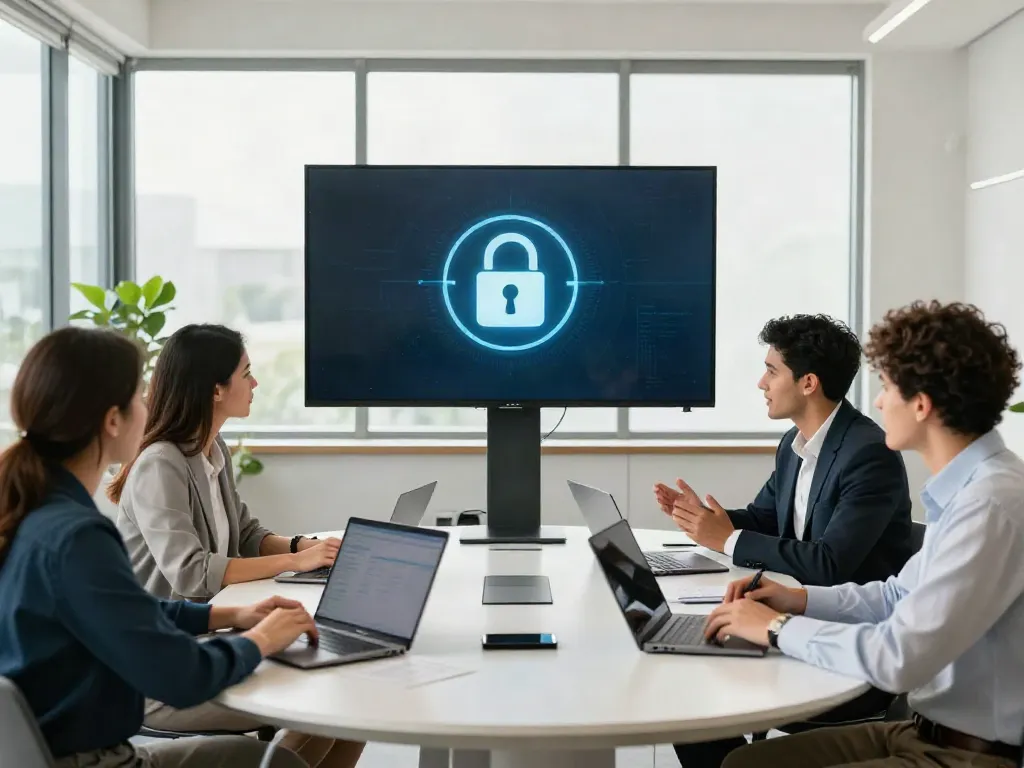
Deepfake protected online video calls involve the use of advanced technologies designed to safeguard virtual communications against deepfake manipulations. Essentially, these safeguards ensure that the individuals engaged in a video call are who they claim to be by verifying their identities through various techniques and tools. This protection is crucial for avoiding impersonation and fraud, particularly in high-stakes environments like corporate meetings or sensitive discussions.
The Mechanisms Behind Deepfake Technology
Deepfake technology relies on machine learning algorithms, particularly generative adversarial networks (GANs), to create realistic representations of people’s images and voices. By analyzing vast datasets of video and audio, these systems learn to mimic the facial expressions, voice modulation, and even the mannerisms of the person being impersonated. This raises the stakes for video communication, as it becomes increasingly difficult to discern between authentic and manipulated content.
Common Misconceptions About Deepfake Security
A prevalent misconception is that deepfake technology is only a concern for celebrities or public figures. However, the reality is that anyone can become a target of deepfake scams, particularly as this technology becomes more accessible. Furthermore, many believe that conventional cybersecurity measures are sufficient to combat deepfake threats. Unfortunately, traditional security protocols often fall short against the nuanced and complex challenges posed by deepfake technology, underscoring the need for specialized solutions.
Identifying Deepfake Threats in Video Conferencing
Recognizing deepfake threats in video conferencing is essential to securing online interactions. The ability to identify signs of manipulation can save individuals and organizations from financial and reputational damage.
Recognizing Signs of Deepfake Manipulation
There are several indications that may suggest a video has been manipulated using deepfake technology. Some common signs include:
- Unnatural or inconsistent facial movements: Pay attention to the fluidity of a person's expressions. A deepfake may exhibit awkward or jerky movements.
- Asynchronous audio and video: If the audio does not match the speaker's mouth movements, this is a strong indicator of manipulation.
- Unusual lighting and shadows: Inconsistencies in lighting or shadows on the subject's face can suggest digital alterations.
- Background anomalies: Look for discrepancies in the background, as deepfake technology often struggles to maintain a coherent environment.
Real-World Examples of Deepfake Scams
Several high-profile cases have showcased the potential dangers of deepfake technology. For instance, in 2020, a CEO was impersonated during a video call, resulting in a significant financial loss for the company. Such incidents exemplify the urgent need for robust protective measures in virtual communications.
Techniques for Verifying Identities During Calls
Having a protocol in place to verify identities can greatly reduce the risk of falling victim to deepfake scams. Techniques may include:
- Using unique identifiers: Encourage participants to use specific phrases or tasks that only the real individual would know.
- Employing biometric verification: Integrate voice recognition or facial recognition systems that can authenticate users before granting access to a call.
- Setting up multi-factor authentication: Utilize additional layers of security, such as text message codes or security apps, to verify identities.
Best Practices for Secure Online Video Communication
To enhance security during online video calls, it’s important to establish best practices tailored to the unique challenges posed by deepfake technology.
Implementing Multi-Factor Authentication
Multi-factor authentication (MFA) is a key measure for secure online communication. By requiring users to provide multiple forms of identification—such as a password and a one-time code sent to their mobile device—MFA adds an extra layer of security that is particularly effective against deepfake impersonation.
Creating Secure Communication Protocols
Establishing clear protocols for online interactions is essential. This may include guidelines for initiating video calls, such as confirming participants through established channels beforehand and encouraging users to avoid discussing sensitive information during initial video calls until identities can be fully verified.
Using Technology Solutions to Enhance Security
Investing in technology solutions designed to detect and thwart deepfake attempts can significantly enhance video call security. Organizations should consider utilizing advanced detection software that analyzes video streams for signs of manipulation in real time, helping to identify threats before they escalate.
Tools and Technologies for Deepfake Protection
The market for deepfake protection solutions is rapidly expanding as demand grows for security technologies that can effectively combat these threats.
Overview of Leading Deepfake Detection Solutions
Some prominent tools on the market include:
- Deeptrace: This platform offers real-time detection of deepfake videos and generates alerts for suspicious content.
- Sensity: Sensity uses AI and machine learning algorithms to identify and analyze visual content for deepfake characteristics.
- Zegami: Zegami integrates deepfake detection capabilities into its data visualization tools, assisting organizations in monitoring their video communications.
Integrating AI Tools for Real-Time Protection
Integrating AI-driven solutions can provide businesses with real-time protection against deepfake threats. Systems that continuously learn from emerging patterns of deepfake technology are invaluable in evolving security practices.
Evaluating Software Options for Businesses
When selecting software solutions, organizations should evaluate various factors, including ease of integration with existing systems, the scalability of the solution, and ongoing support from the vendor. Prioritizing user feedback and case studies can also assist in determining the effectiveness of these tools in real-world environments.
The Future of Deepfake Protection in Online Interactions
As deepfake technology continues to advance, the future of online interactions hinges upon proactive measures and ongoing education.
Emerging Trends in Deepfake Technology
The evolution of deepfake technology is expected to accelerate, making it critical for individuals and organizations to stay informed about the latest developments in the field. As methods become more sophisticated, novel protective strategies will need to be developed, including more advanced AI detection systems.
Predictions for Securing Virtual Meetings by 2026
By 2026, we can anticipate a dramatic shift in the landscape of virtual meetings. Innovations such as biometric authentication and AI-driven verification tools will likely become standard practices, enhancing the overall security of online video calls.
Staying Ahead of the Curve: Continuous Education on Deepfake Security
To ensure effective protection against deepfake technology, ongoing education and training should be prioritized. Businesses and individuals alike must engage in regular updates about cybersecurity best practices to adapt to the evolving threat landscape.
What are the risks of deepfake technology in virtual meetings?
The risks associated with deepfake technology in virtual meetings include potential impersonation, financial scams, and reputational damage. Cybercriminals leverage deepfakes to manipulate individuals into making fraudulent decisions, posing a severe threat to organizations.
How can I secure my video calls against deepfake threats?
To secure video calls against deepfake threats, implement multi-factor authentication, develop identity verification protocols, and utilize specialized deepfake detection software that analyzes video streams for signs of manipulation.
What tools are available for detecting deepfake video calls?
Numerous tools are available for detecting deepfake video calls, including advanced detection software like Deeptrace and Sensity, both of which analyze video content for manipulations in real time.
How does multi-factor authentication enhance security?
Multi-factor authentication enhances security by requiring multiple forms of identity verification, making it significantly more challenging for imposters to gain access to sensitive video calls or systems.
What are common signs of deepfake manipulation in video calls?
Common signs of deepfake manipulation in video calls include unnatural facial movements, asynchronous audio and video, inconsistent lighting, and background anomalies that do not correspond to the real environment.